







What's Happening?
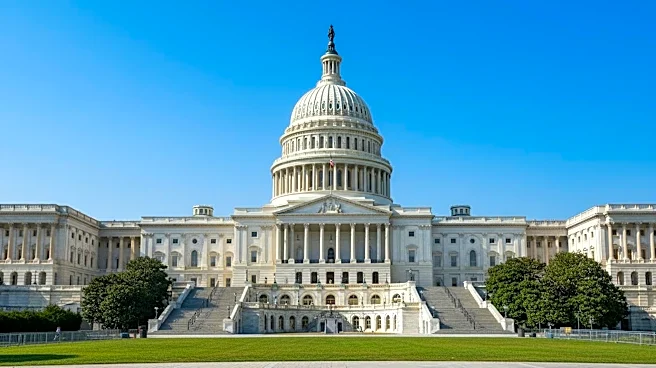
AI companies and executives are significantly investing in the 2026 midterm elections, aiming to influence the development of AI-related bills in Congress. Two major AI political action committees (PACs), Leading the Future and Public First Action, have
collectively spent at least $44 million on 40 House and Senate candidates as of June 2026. These PACs have raised over $200 million to further their influence throughout the primary season and into the general election. The spending reflects the AI industry's growing power in Washington, as it seeks to shape the first national legislation regulating AI use. Brad Carson, head of Public First Action, noted an increase in AI-related bills and discussions, highlighting the urgency of establishing regulatory frameworks. Both PACs have seen success in supporting candidates, with Leading the Future backing 28 candidates, 25 of whom have won their primaries.
Why It's Important?
The substantial financial involvement of AI companies in the electoral process underscores the industry's intent to shape future AI legislation. This influence could determine how AI technologies are regulated, impacting innovation, privacy, and security. The outcome of these legislative efforts will affect various stakeholders, including tech companies, consumers, and policymakers. The AI industry's approach mirrors previous strategies used by other sectors, such as the cryptocurrency industry, which successfully influenced legislation by supporting favorable candidates. The involvement of AI companies in politics highlights the intersection of technology and governance, raising questions about the balance between innovation and regulation.
What's Next?
As the 2026 midterm elections progress, AI PACs are expected to continue their financial support for candidates who align with their legislative goals. The focus will likely remain on shaping AI policy to ensure it accommodates rapid technological advancements while addressing potential risks. Lawmakers will need to navigate the complexities of AI regulation, balancing industry interests with public concerns. The success of AI-backed candidates in the elections could accelerate the introduction and passage of AI-related bills, setting precedents for future technology governance.