



What's Happening?
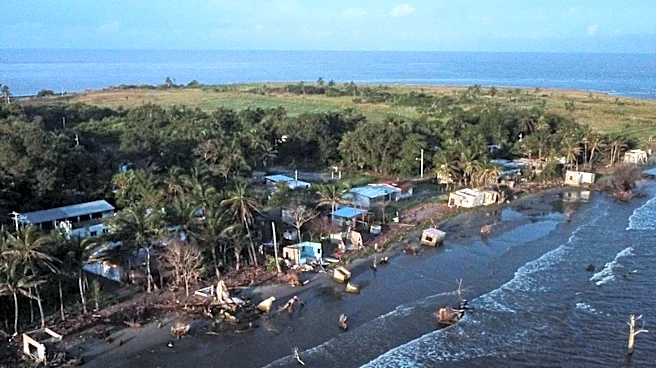
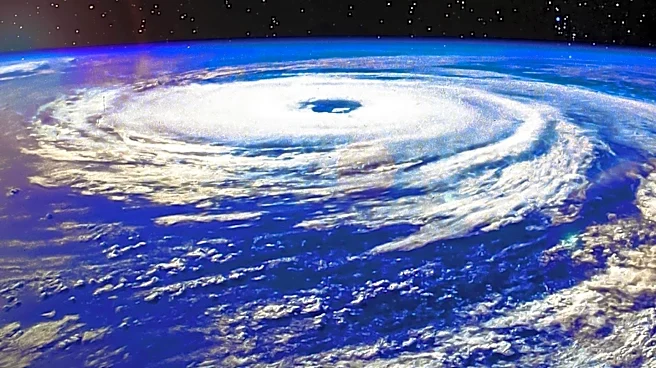
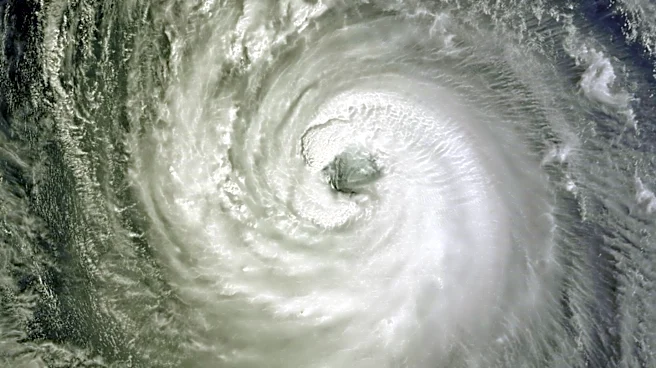
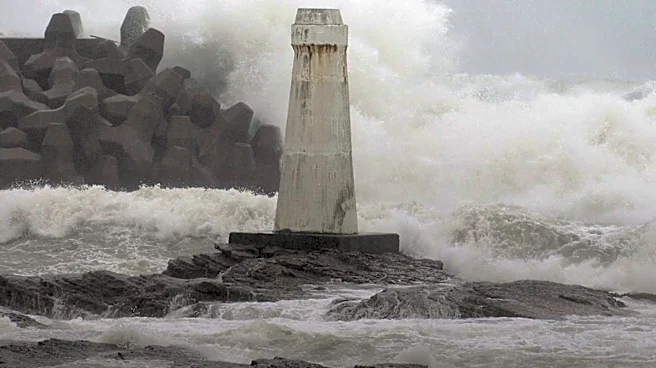
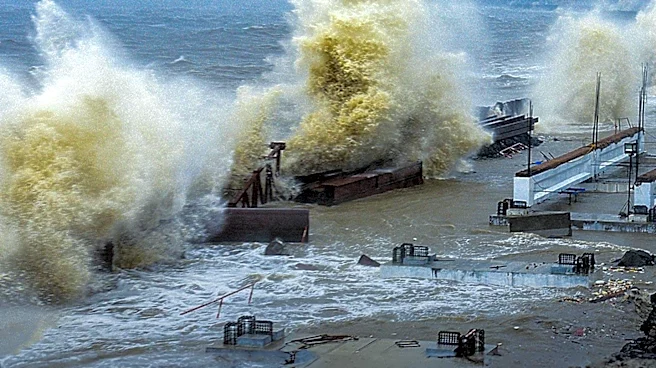
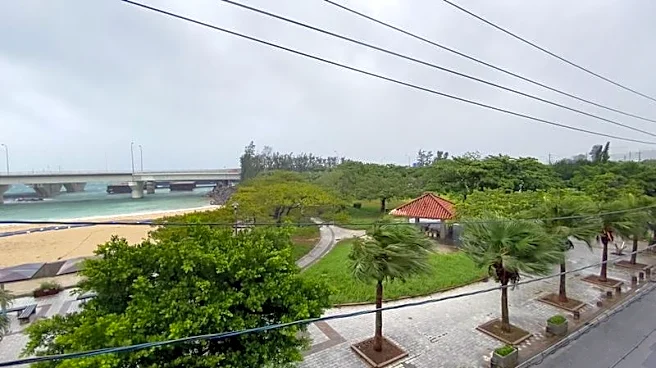
Typhoon Dolphin has struck Japan's southern regions, causing injuries and widespread power outages. The storm has brought heavy rain and strong winds, particularly affecting Okinawa and Amami islands. As a precaution, evacuation centers have been set
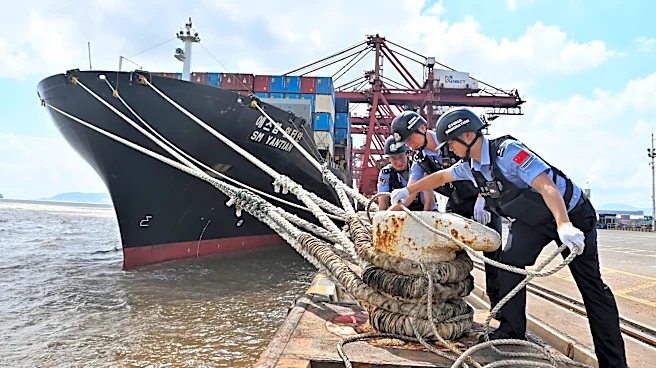
up, and flights have been canceled. The typhoon is now moving towards China, where authorities have closed ports and suspended ferry services in anticipation of its arrival. The storm is expected to make landfall between Zhoushan and Fuding in China, with forecasts predicting heavy rainfall and strong winds in the region, including parts of Shanghai.
Why It's Important?
The impact of Typhoon Dolphin highlights the vulnerability of coastal regions in Japan and China to severe weather events. The storm's disruption of transportation and power services underscores the challenges faced by these areas in maintaining infrastructure resilience. The preparations in China, including the suspension of port operations and ferry services, reflect the significant economic implications of such natural disasters, as they can disrupt trade and supply chains. Additionally, the political tensions between Taiwan and China over maritime navigation during the typhoon add a layer of complexity to the regional response to the storm.
What's Next?
As Typhoon Dolphin approaches China, authorities will continue to monitor its path and impact, with potential adjustments to evacuation plans and emergency responses. The focus will be on minimizing casualties and damage, while ensuring the safety of residents in affected areas. In the aftermath, both Japan and China will likely assess the damage and begin recovery efforts, which may include infrastructure repairs and support for displaced individuals. The international community may also offer assistance, particularly in areas severely impacted by the storm.