



What's Happening?
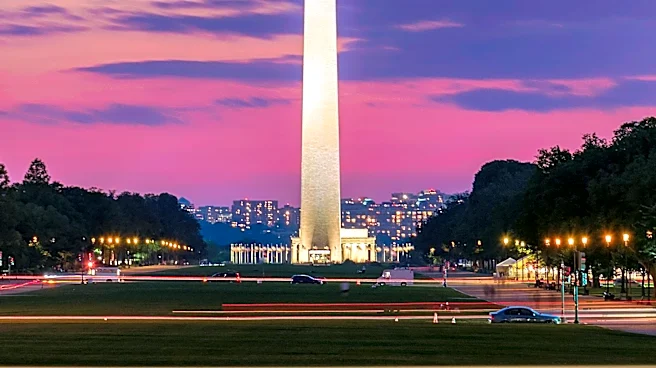
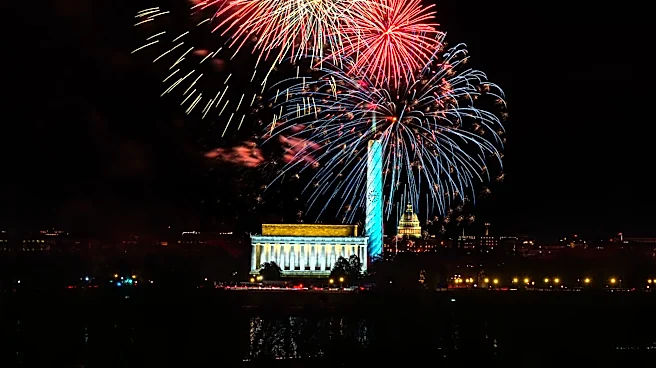
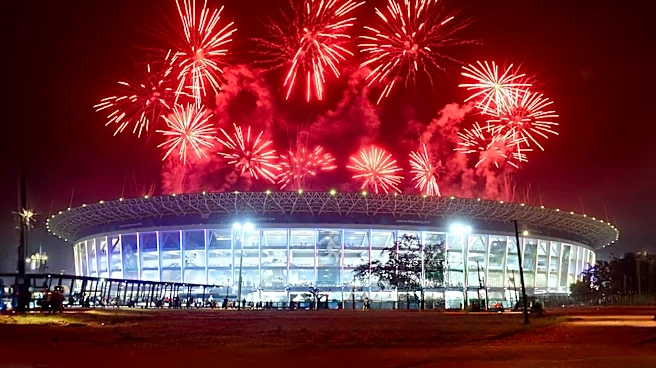
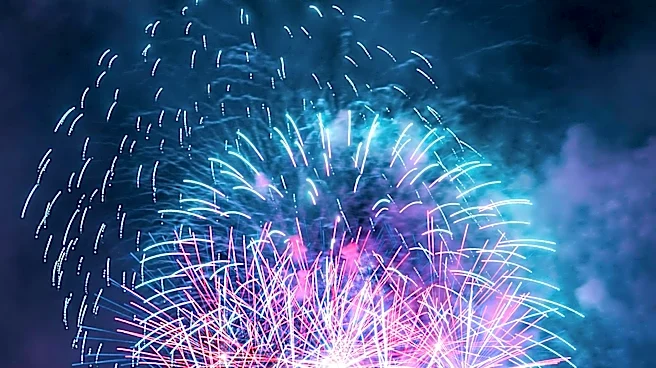
Washington DC recorded the worst air quality of any major city globally following a massive Fourth of July fireworks display. The event, which took place over the National Mall, involved the launch of over 850,000 fireworks, significantly surpassing the typical
17,000 shells used in previous years. This display, organized by the Trump-backed non-profit Freedom 250, resulted in a dramatic increase in air pollution, with particulate matter levels rising to 6.7 times their pre-fireworks levels. The Environmental Protection Agency deemed the air quality 'unhealthy for sensitive groups,' prompting city officials to issue a Code Red alert. The pollution was exacerbated by meteorological conditions that trapped smoke over the area, particularly affecting the southwest region of DC and potentially drifting into Arlington, Virginia.
Why It's Important?
The significant deterioration in air quality highlights the environmental impact of large-scale fireworks displays, raising concerns about public health and safety. The event underscores the ongoing debate over pollution controls, as the Trump administration has been rolling back various environmental regulations. The fireworks display, while celebrated as a patriotic spectacle, poses health risks, particularly to vulnerable populations such as seniors, children, and individuals with pre-existing medical conditions. The incident also emphasizes the need for comprehensive air quality monitoring to better understand and mitigate the effects of such pollution events.
What's Next?
In response to the air quality issues, there may be increased pressure on local and federal authorities to reconsider the scale and environmental impact of future fireworks displays. Environmental groups and public health advocates could push for stricter regulations or alternative celebrations that minimize pollution. Additionally, the incident may prompt further discussions on the balance between traditional celebrations and environmental responsibility, potentially influencing future policy decisions regarding pollution control and public health protection.
Beyond the Headlines
The event highlights broader environmental and public health challenges, particularly in urban areas where pollution levels can spike due to large public events. It also raises questions about the sustainability of traditional celebrations in the face of growing environmental concerns. The rollback of pollution controls by the Trump administration may face increased scrutiny, as the long-term health implications of such policies become more apparent. This situation could serve as a catalyst for renewed advocacy and policy efforts aimed at reducing pollution and protecting public health.