

What's Happening?
Cristian Salamanca García is campaigning for the provincial municipality of Tacna, Peru, as the first councilor. Due to the resignation of the original mayoral candidate, Salamanca is positioned to assume the mayoral office if his party wins the upcoming
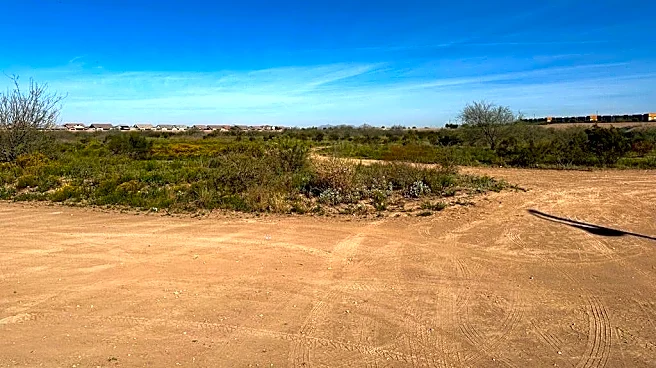
elections, according to current regulations. Salamanca and his team are presenting themselves as a new option for voters, aiming to break a nearly three-decade cycle of what they describe as unproductive governance in Tacna. He identifies urban disorder as the primary problem facing the city, attributing it to political rather than technical decision-making in urban development. Salamanca criticizes the manipulation of land as electoral currency, which he states has led to uncontrolled urban expansion. His platform focuses on 'just urban development,' which includes addressing the needs of residents for land while simultaneously dismantling 'land mafias.'
Why It's Important?
Salamanca's campaign highlights significant issues of urban planning, governance, and social equity in Tacna, Peru. The promise to dismantle 'land mafias' suggests a deep-seated problem of corruption and illicit land dealings, which can have severe socio-economic consequences for the population. Such practices often lead to informal settlements, lack of essential services, and increased vulnerability for residents, particularly those in need of housing. His emphasis on technical urban planning over political manipulation could lead to more sustainable and equitable development, potentially improving living conditions and infrastructure for Tacna's citizens. The focus on direct engagement with families needing land, rather than through association presidents, aims to reduce intermediaries and potential for exploitation, fostering greater transparency and fairness in land allocation. This approach could serve as a model for other regions facing similar challenges in urban management and corruption.
What's Next?
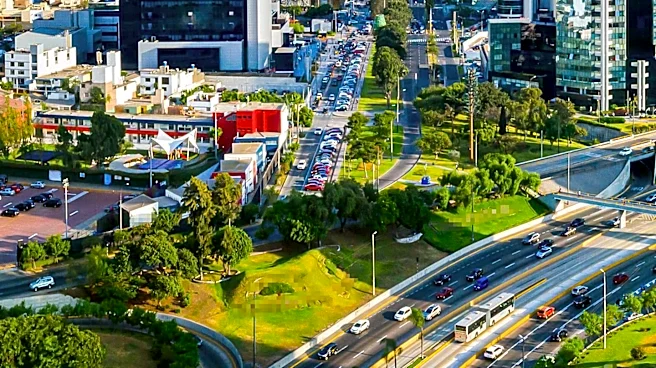
If elected, Cristian Salamanca plans to implement a four-pillar development strategy, with 'just urban development' as a core component. This involves directly addressing the needs of families requiring land, ensuring allocation aligns with the Urban Development Plan (PDU), and restoring order and planning capacity to Tacna. He also intends to tackle the saturated urban transport system by implementing rapid transit routes from the southern to the northern cones of the province. This would involve creating specific rapid transit corridors, potentially including depressed roadways at key intersections like Ovalo Cusco, to improve inter-district mobility during peak hours. Additionally, Salamanca plans to prioritize cultural development, especially in anticipation of the centenary of Tacna's reincorporation. This includes investing in cultural infrastructure, both open and closed spaces, and constructing a grand symphonic theater, aiming to complement Tacna's tourism and commercial sectors.
Beyond the Headlines
The issues raised by Cristian Salamanca's campaign in Tacna extend beyond local governance, touching upon broader themes of urban resilience, social justice, and the role of political will in sustainable development. The existence of 'land mafias' points to systemic vulnerabilities that can undermine public trust and exacerbate inequalities. Addressing these mafias requires not only political commitment but also robust legal frameworks and enforcement mechanisms to protect vulnerable populations and ensure equitable access to resources. Furthermore, the proposed shift from politically driven to technically guided urban planning reflects a growing recognition of the importance of expert knowledge in managing complex urban environments. This could lead to more resilient cities, better equipped to handle challenges such as natural disasters and population growth. The emphasis on cultural development also highlights the understanding that a city's identity and economic vitality are intertwined with its cultural heritage and offerings, suggesting a holistic approach to urban revitalization.