



What's Happening?
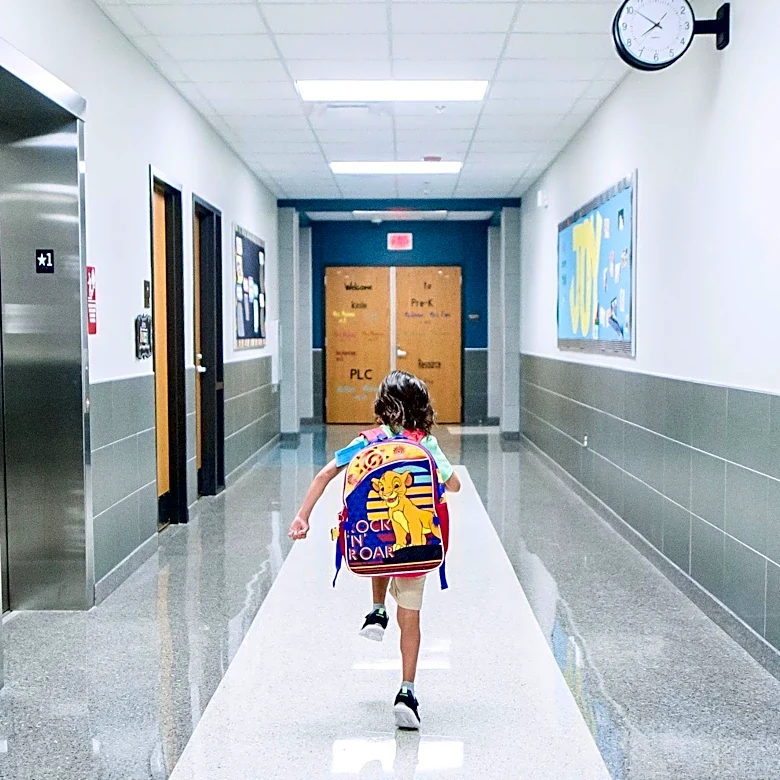
Nikole Hannah-Jones, the journalist known for 'The 1619 Project,' has shared her family's decision to move her daughter, Najya, from a local public school in Brooklyn to a private school. This decision came after Najya, now 16, expressed dissatisfaction
with her public school education, particularly after discovering its low ranking in New York City school assessments. Hannah-Jones and her husband, Faraji Hannah-Jones, initially enrolled Najya in the public school with the intention of challenging the city's 'separate and unequal school system' and making educational decisions based on 'collective good.' However, Najya's personal experience, including issues with supervision, uncorrected assignments, and a lack of academic support, led to the family's change of heart.
Why It's Important?
This personal account from Nikole Hannah-Jones is important because it highlights the persistent challenges within the U.S. public education system, particularly in urban areas, and the difficult choices parents face. Her experience underscores the disparity in educational quality, even for families committed to public schooling for ideological reasons. The narrative brings to light issues such as inadequate staffing, lack of teacher accountability, and the impact of low school rankings on student morale and future prospects. For U.S. society, this story contributes to the ongoing debate about educational equity, school choice, and the effectiveness of reforms aimed at improving public schools. It also resonates with many parents who struggle to balance their ideals with the practical needs and well-being of their children.
What's Next?
The essay by Nikole Hannah-Jones is likely to fuel further discussions and debates on public education reform, parental involvement, and the role of school rankings in shaping educational choices. It may prompt other parents and educators to re-evaluate their own situations and advocate for changes within their local school systems. For policymakers, this personal narrative could serve as a powerful anecdote illustrating the real-world consequences of systemic educational problems, potentially influencing future policy decisions regarding school funding, teacher training, and accountability measures. The story also suggests a continued trend of middle-class families, even those with strong public education advocacy, seeking private alternatives when public options fail to meet their children's needs.
Beyond the Headlines
Beyond the immediate educational implications, Hannah-Jones's story touches on deeper societal issues, including the intersection of race, class, and educational opportunity in America. Her initial commitment to a public school in a diverse neighborhood, despite its challenges, reflects a desire to address systemic inequalities. The eventual decision to move Najya to a private school, driven by her daughter's direct experience, reveals the profound tension between individual well-being and collective social change. This narrative explores the ethical dilemmas faced by parents who wish to support public institutions but are confronted with their shortcomings. It also highlights the emotional and psychological toll on students who perceive their education as substandard, and the long-term impact on their academic and personal development. The story ultimately questions the efficacy of current approaches to educational equity and the sacrifices individuals are asked to make for broader societal goals.