

What's Happening?
Papua New Guinea is experiencing a high incidence of oral cancer, largely attributed to the cultural practice of betel quid chewing. The World Health Organization's Global Cancer Observatory reports that Papua New Guinea has the highest rate of oral cancer among
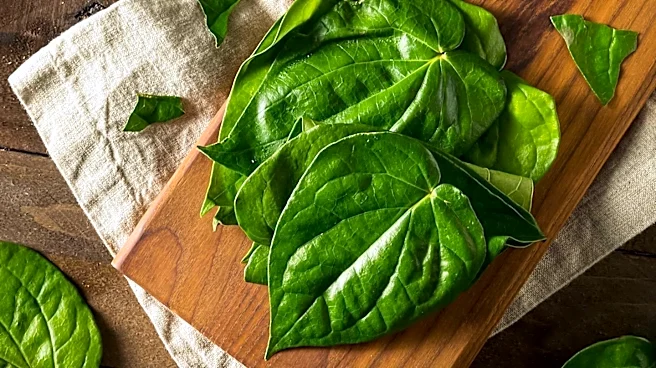
185 countries. Betel quid, a mixture of areca nut, mustard stick, and slaked lime, is widely chewed in the country and is known to contain arecoline, a substance classified as probably carcinogenic. The University of Papua New Guinea's School of Medicine and Health Sciences is planning a national research project to address this issue. Efforts are underway to train dentists in early detection of oral cancer and potentially malignant disorders, with workshops being held across the country's provinces.
Why It's Important?
The high rates of oral cancer in Papua New Guinea highlight the significant health risks associated with cultural practices like betel quid chewing. This situation underscores the need for public health initiatives and education to mitigate these risks. The lack of a national cancer registry in Papua New Guinea complicates efforts to understand and address the full scope of the problem. The ongoing research and training efforts aim to improve early detection and treatment, which could lead to better health outcomes. This case also illustrates the broader challenge of balancing cultural traditions with public health needs, a common issue in many regions worldwide.