






What's Happening?
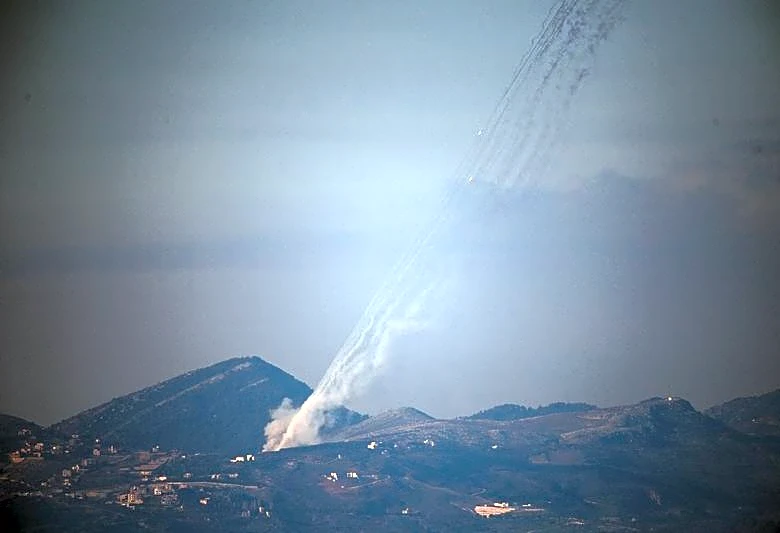
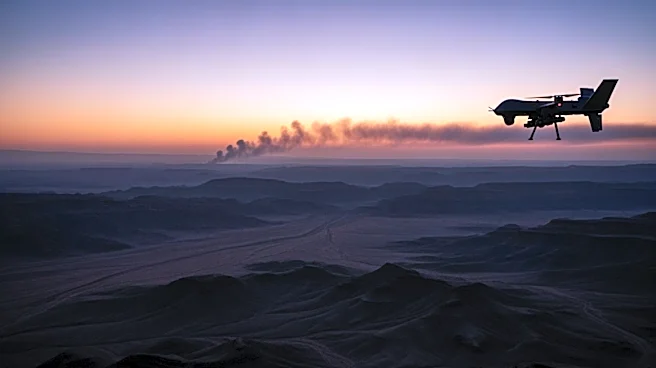
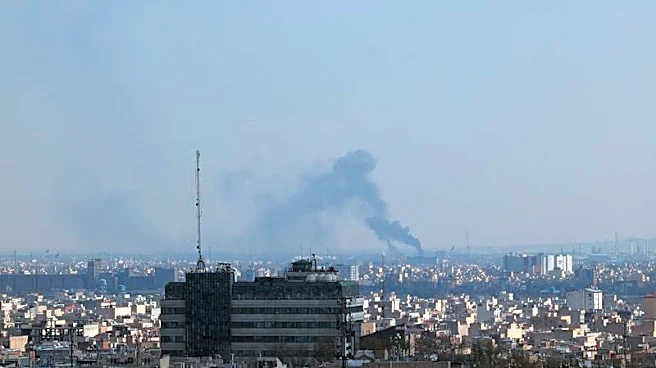
Recent strikes by the United States and Israel have targeted Iranian facilities associated with chemical and biological weapons research. These operations, which have not been widely publicized, were identified through satellite imagery and social media
analysis. The targeted sites include those operated by the Iranian Ministry of Defense and the Iranian Revolutionary Guards Corps. Despite the strikes, experts suggest that these actions do not indicate a robust campaign against chemical and biological weapons, as the threat from Iran in this area is perceived to be limited. The U.S. government has long maintained that Iran has the capability to produce chemical weapons but has not accused it of maintaining a significant arsenal.
Why It's Important?
The strikes highlight ongoing tensions between Iran and Western nations, particularly concerning weapons of mass destruction. The actions by the U.S. and Israel may be seen as preventive measures to curb any potential development of chemical and biological weapons by Iran. This development could impact regional stability and influence international diplomatic relations, especially with countries concerned about Iran's military capabilities. The strikes also underscore the complex geopolitical dynamics in the Middle East, where military actions are often intertwined with broader strategic objectives.
What's Next?
Future actions may involve continued monitoring of Iran's military facilities and potential diplomatic efforts to address concerns over weapons development. The international community may seek to engage Iran in discussions to ensure compliance with international conventions on chemical and biological weapons. Additionally, there could be increased scrutiny on Iran's military activities and potential responses from Iranian authorities, which could further affect regional security dynamics.