
What's Happening?
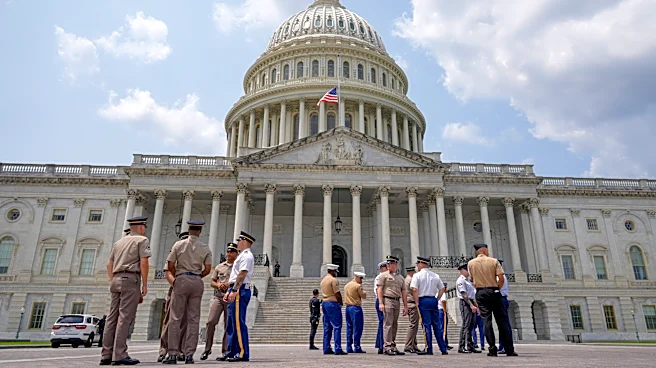
The U.S. Senate has taken a significant step by advancing the Lindsey O. Graham Sanctioning Russia and Iran Act of 2026, with an 86-12 vote. The bill, which targets Russia's energy sector and shadow fleet,
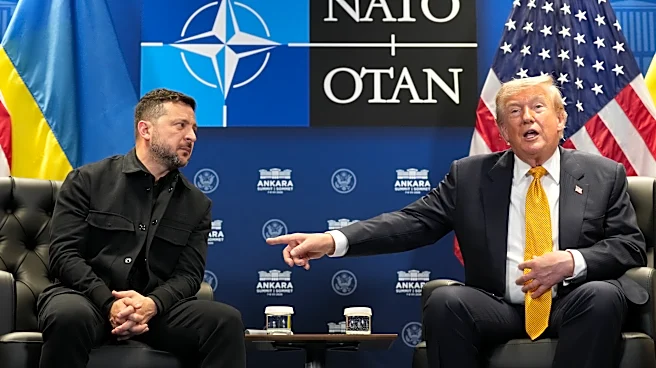
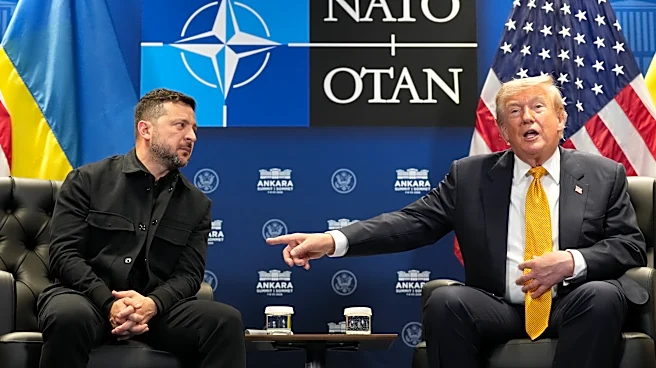
aims to impose stringent sanctions to curb Russian aggression. It also extends sanctions on Iran. The legislation has broad bipartisan support but faces an uncertain future in the House of Representatives, which is currently in recess. Ukrainian President Volodymyr Zelenskyy attended the Senate proceedings, underscoring the bill's international importance.
Why It's Important?
The advancement of this sanctions bill is a critical development in U.S. foreign policy, reflecting a unified stance against Russian aggression and support for Ukraine. By targeting key economic sectors, the bill seeks to weaken Russia's financial capabilities, thereby reducing its ability to sustain military operations. The inclusion of Iran in the sanctions highlights the U.S.'s broader geopolitical strategy to address global security threats. The bill's passage could significantly impact international relations, particularly with countries involved in purchasing Russian energy, and demonstrates the U.S.'s commitment to countering authoritarian regimes.
What's Next?
The bill's future in the House of Representatives remains uncertain due to the August recess. Its success will depend on continued bipartisan cooperation and addressing concerns regarding the expansion of tariff powers. If passed, the bill will require President Trump's signature to become law, potentially leading to increased economic pressure on Russia and Iran. The international community, particularly countries purchasing Russian energy, will be closely monitoring the bill's progress and its potential impact on global energy markets.