

What's Happening?
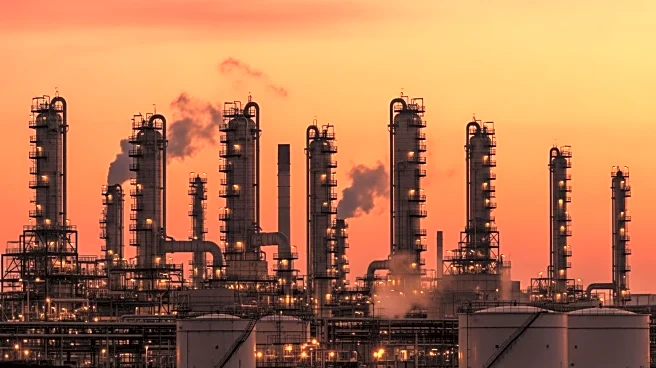
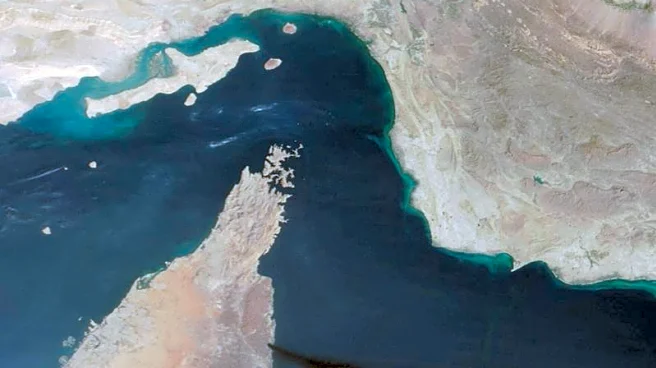
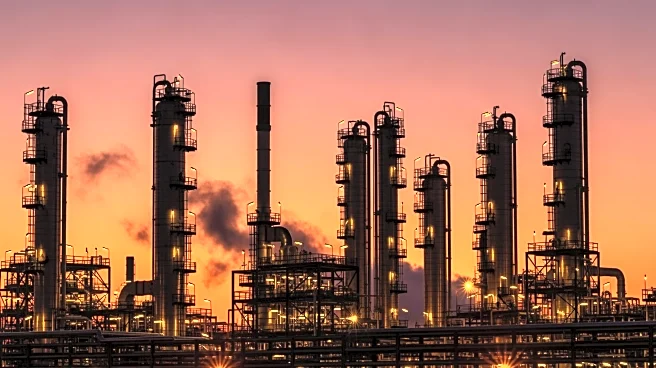
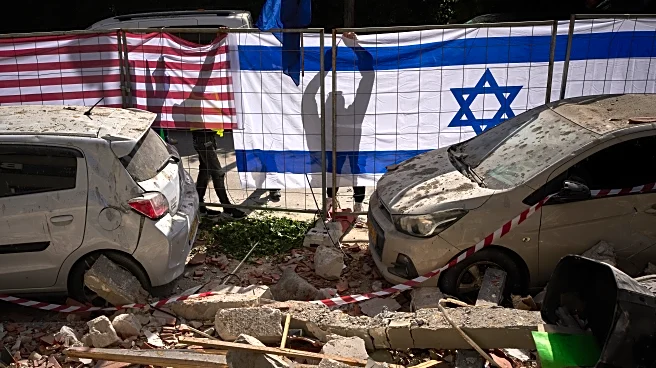
The ongoing U.S.-Israeli conflict with Iran has led to significant disruptions in Middle Eastern energy infrastructure. Israeli strikes on Iran's South Pars gas field and Asaluyeh processing hub have triggered retaliatory attacks by Iran across the Gulf,
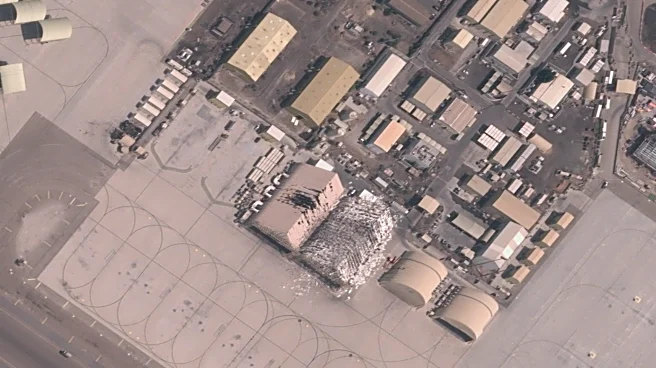
affecting refineries, gas plants, and export terminals in Saudi Arabia, Kuwait, Qatar, the UAE, and Bahrain. Key facilities have been damaged or shut down, with Bahrain declaring force majeure after an attack on its Sitra refinery. The situation has severely impacted global oil and gas flows, highlighting the vulnerability of the region's energy infrastructure.
Why It's Important?
The conflict has underscored the strategic importance of Middle Eastern energy infrastructure and its susceptibility to geopolitical tensions. The disruption of oil and gas flows has global economic implications, potentially affecting energy prices and supply chains worldwide. The situation also highlights the limitations of air defenses in protecting critical energy assets, raising concerns about the security of global energy supplies. The conflict's escalation could lead to further instability in the region, with significant consequences for international energy markets and geopolitical relations.
What's Next?
The ongoing conflict is likely to continue affecting energy infrastructure in the region, with potential for further retaliatory attacks by Iran. The international community will be closely monitoring the situation, particularly the impact on global energy markets and regional stability. Diplomatic efforts may be necessary to de-escalate tensions and ensure the security of critical energy infrastructure.