






What's Happening?
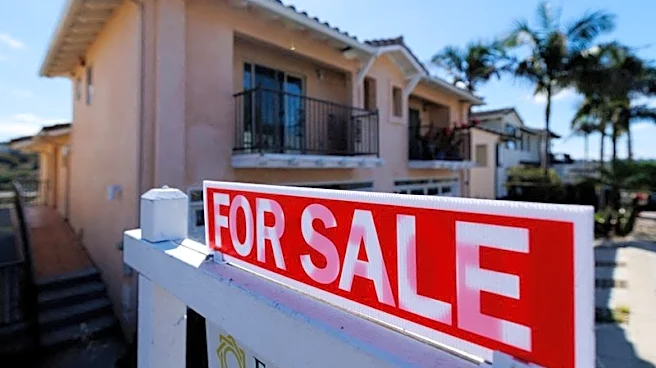
The housing market in Los Angeles has been significantly impacted by the recent Iran war, which led to a freeze in home sales due to rising mortgage rates. In January, L.A. County recorded only 3,072 home sales, the lowest in three years, as mortgage rates increased
to 6.46%, deterring potential buyers. The recent ceasefire deal in April has brought optimism, with reports of increased escrow activity, although official sales data have yet to reflect this change. Real estate agents note that the psychological impact of the war has made buyers hesitant, but the ceasefire could stabilize rates and encourage more activity in the market.
Why It's Important?
The fluctuations in mortgage rates due to geopolitical tensions have a direct impact on the affordability of homes, particularly for first-time buyers in the expensive Southern California market. The ceasefire offers a potential stabilization of rates, which could make homeownership more accessible. This development is crucial for the real estate industry, as it could lead to increased sales and a more balanced market. The broader economic implications include potential shifts in consumer confidence and spending, which are vital for economic growth in the region.
What's Next?
If the ceasefire holds, it is expected that mortgage rates will stabilize, potentially leading to increased buyer activity and a recovery in home sales. Real estate agents anticipate a noticeable influx of recorded transactions in the coming weeks as current escrow activities close. Buyers may leverage the current market conditions to negotiate better deals, while sellers hope for a resurgence in demand. The situation remains fluid, with geopolitical developments continuing to influence market dynamics.
Beyond the Headlines
The situation highlights the interconnectedness of global events and local markets, illustrating how geopolitical tensions can ripple through economic sectors like real estate. The psychological impact on buyers underscores the importance of stability in fostering consumer confidence. Additionally, the disparity between public data and real-time market activity suggests a need for more timely reporting mechanisms to better inform stakeholders.