




What's Happening?
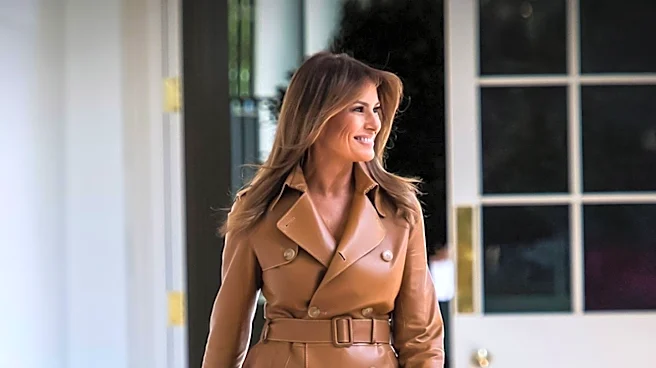
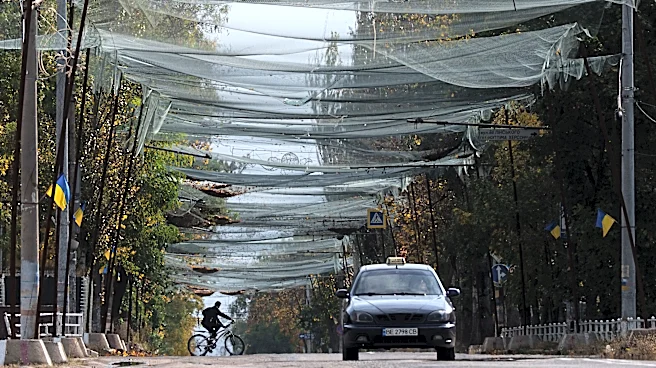
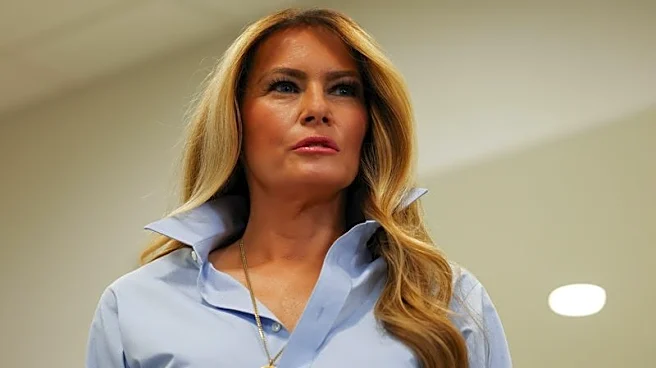
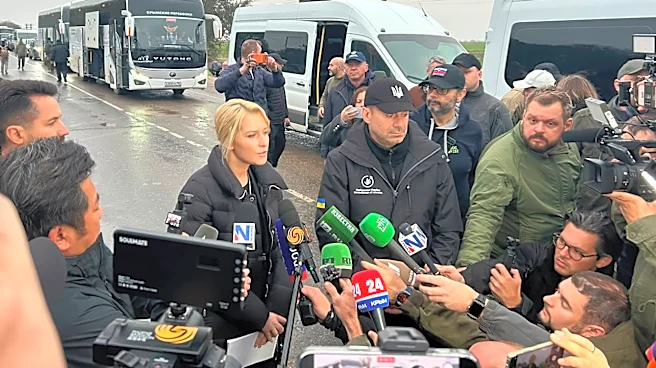
U.S. First Lady Melania Trump has called for the temporary ceasefire in the Russian-occupied town of Oleshky, Kherson region, to serve as a starting point for establishing lasting peace. The First Lady mediated the agreement, which allowed for the delivery
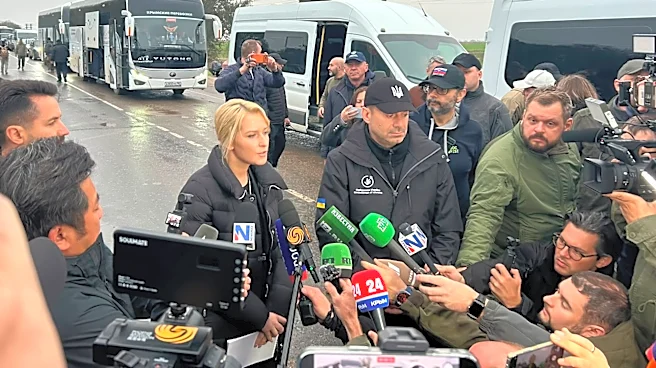
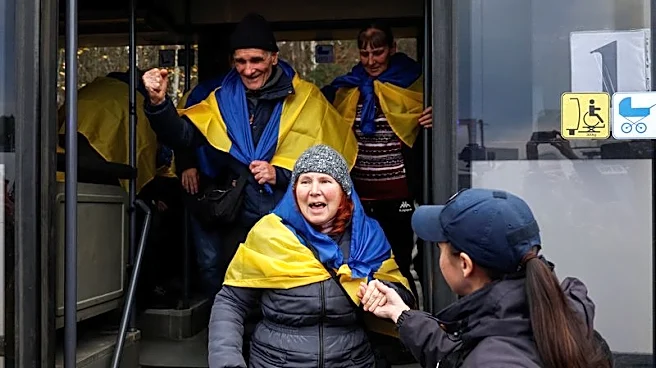
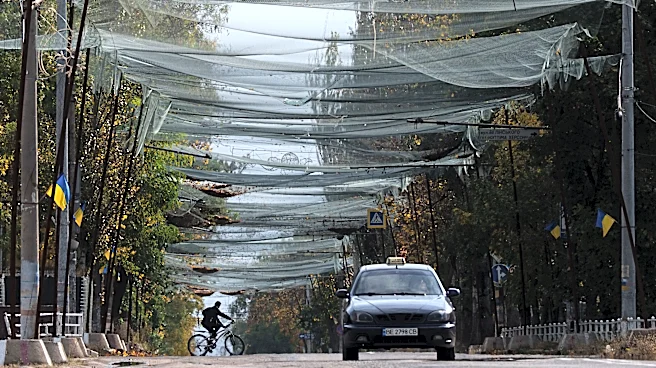
of humanitarian aid and the evacuation of civilians. According to Mrs. Trump, the truce provided residents with the ability to move freely, access to food, clean water, and medicines, and restored their sense of dignity by removing the constant threat of attacks. The ceasefire, which began on October 27, was set to conclude on November 1 at 22:59. The White House reported that before the full-scale invasion, Oleshky had a population of approximately 24,000, which had dwindled to about 1,700–2,000 residents, primarily elderly individuals, by October 2026. This humanitarian truce was specifically for Oleshky and did not extend to the entire frontline.
Why It's Important?
The call by U.S. First Lady Melania Trump for the Oleshky truce to be a foundation for lasting peace underscores the potential for localized humanitarian agreements to influence broader diplomatic efforts. Her direct mediation highlights a non-traditional approach to international diplomacy, demonstrating how high-profile individuals can facilitate critical humanitarian outcomes in conflict zones. The success of this temporary ceasefire in providing essential relief and safe passage for civilians is a significant achievement, offering a rare moment of respite and cooperation between warring parties. This initiative could serve as a model for future humanitarian corridors and localized truces, potentially paving the way for more comprehensive peace negotiations. The emphasis on restoring dignity and basic necessities to affected populations also highlights the profound human impact of such diplomatic successes, even if temporary.
What's Next?
With the temporary ceasefire in Oleshky scheduled to end on November 1 at 22:59, the immediate future for the remaining residents and the broader region is uncertain. While the U.S. First Lady hopes this truce will be a catalyst for lasting peace, there are no immediate guarantees of an extension or a broader cessation of hostilities. Further diplomatic talks are anticipated in November, which could potentially build on the goodwill generated by this humanitarian effort. Ukrainian Defense Forces remain vigilant, preparing for any potential resumption of hostilities. The ombudsman Dmytro Lubinets is expected to provide a detailed briefing on November 2 regarding the evacuation operation, which may offer insights into the next steps for humanitarian aid and civilian protection in the region. The international community will likely watch closely to see if this localized success can be leveraged into more significant peace-building initiatives.
Beyond the Headlines
The involvement of U.S. First Lady Melania Trump in brokering this ceasefire extends beyond a simple humanitarian act; it signifies a potential shift in diplomatic engagement strategies. Her direct intervention, bypassing traditional diplomatic channels, suggests that personal influence and humanitarian appeals can sometimes achieve what formal negotiations struggle with. This raises questions about the future role of non-state actors and influential individuals in international conflict resolution. Furthermore, the focus on restoring dignity and basic human rights in a conflict zone highlights the often-overlooked psychological and social impacts of war. While the truce is temporary, its success in providing relief and hope to a besieged population could inspire similar efforts elsewhere, emphasizing that even small-scale humanitarian victories can have profound symbolic and practical implications for peace-building.