





What's Happening?
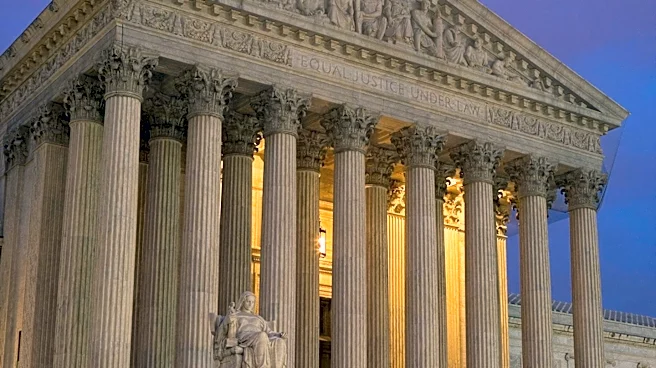
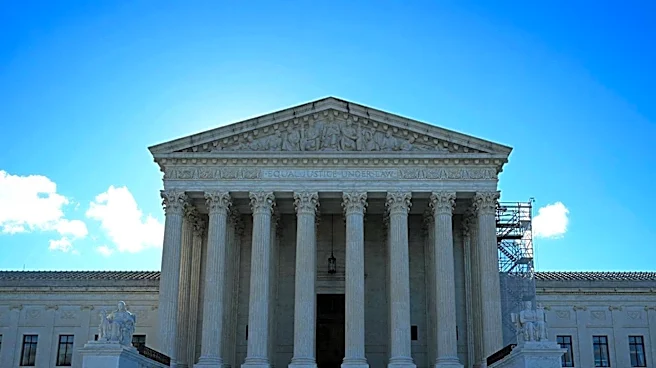
The U.S. Supreme Court is set to review the case of Kian v. Florida, which questions whether a jury of six is constitutionally sufficient for serious criminal convictions. This case revisits the precedent set by Williams v. Florida, which allowed for six-member
juries, diverging from the traditional 12-member jury. The decision could redefine jury requirements across the United States, impacting how states conduct criminal trials. The case highlights ongoing debates about the historical and functional roles of juries in the American legal system.
Why It's Important?
The outcome of Kian v. Florida could have widespread implications for the criminal justice system, potentially altering the standard for jury composition in serious criminal cases. A ruling that mandates 12-member juries could lead to significant changes in state legal procedures and affect the administration of justice. This decision could also influence public perceptions of fairness and impartiality in the legal process, as well as address concerns about racial and demographic representation in juries.
What's Next?
If the Supreme Court rules in favor of requiring 12-member juries, states that currently allow smaller juries may need to revise their legal frameworks and trial procedures. This could involve legislative changes and adjustments in court operations to accommodate larger juries. The decision may also prompt further legal challenges and discussions about other aspects of jury trials, such as unanimity and jury selection processes.