


What's Happening?
Air New Zealand has announced a NZ$59 million loss before taxation for the first half of FY26, primarily due to global engine maintenance delays, reduced domestic demand, and increased system-wide costs. The airline's net loss after taxation was NZ$40
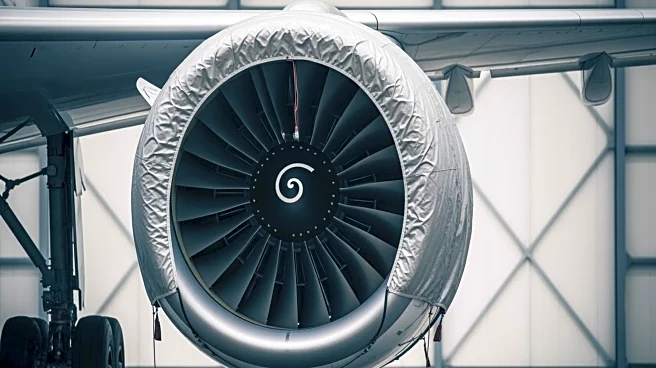
million, with an EBITDA of NZ$347 million for the six months ending December 31, 2025. This performance is a significant drop from the NZ$144 million earnings before taxation in the previous period. The airline faced a NZ$13 million headwind from higher-than-expected fuel prices in the second quarter. Despite receiving NZ$55 million in compensation from engine manufacturers, Air New Zealand estimates it could have earned an additional NZ$90 million if its fleet operated as intended. The company is negotiating with engine makers for better return-to-service schedules and compensation. Chair Dame Therese Walsh has initiated a strategic review to address ongoing volatility and improve long-term growth and prosperity.
Why It's Important?
The financial loss reported by Air New Zealand highlights the challenges faced by airlines globally due to engine maintenance delays and fluctuating demand. As New Zealand's national carrier, Air New Zealand plays a crucial role in supporting the country's export and tourism sectors. The strategic reset aims to strengthen the airline's operations and ensure sustained profitability. The ongoing negotiations with engine manufacturers are critical for the airline's future performance and ability to meet demand. The situation underscores the broader impact of supply chain disruptions and cost pressures on the aviation industry, affecting regional connectivity and affordability.
What's Next?
Air New Zealand is undertaking a comprehensive review of its business operations to return to sustained profitability. The airline plans to improve domestic punctuality and reliability and upgrade interiors across its Boeing 777 fleet. Four grounded aircraft are expected to return to service in 2026, and the airline will receive new GE-powered 787 aircraft to support capacity growth. The company is focused on enhancing operational performance and implementing cost transformation initiatives. The trajectory of costs could further pressure regional connectivity and long-term affordability, making the strategic review crucial for future stability.