








What's Happening?
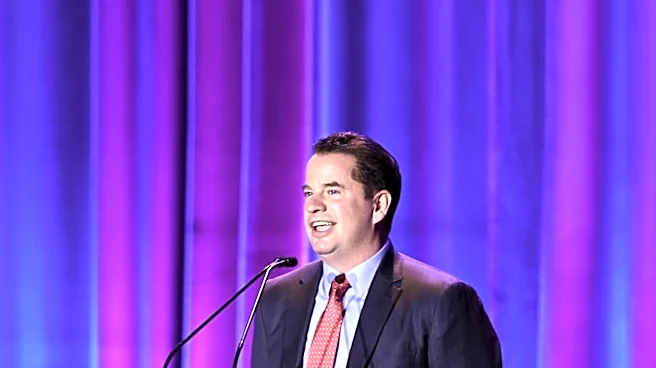
California Congressmen, including Tom McClintock, have sent a letter to Governor Gavin Newsom and other state leaders, urging immediate action to address the expiration of California's overtime exemption for commercial goat herders. The exemption, which
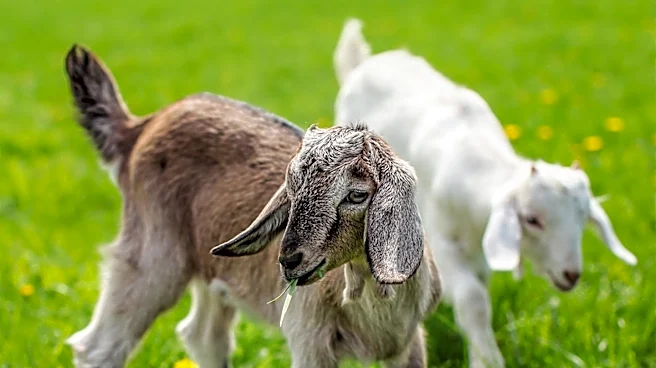
expired on July 1, 2026, previously allowed goat herders to receive a monthly wage similar to sheep herders. Without this exemption, goat herders are now subject to standard agricultural worker rules, including an hourly minimum wage and overtime pay. The Congressmen warn that this policy change threatens the goat herding industry, which plays a vital role in wildfire prevention and vegetation management across the state. Goat herders are crucial for reducing vegetation that can fuel wildfires, and the new labor rules could force many operations to close.
Why It's Important?
The expiration of the overtime exemption for goat herders has significant implications for California's wildfire prevention efforts. Goat herding is an effective method for managing vegetation and reducing wildfire risks, especially in a state prone to devastating wildfires. The new labor regulations could increase operational costs for goat herding businesses, potentially leading to closures and reducing the availability of this critical service. This situation highlights the broader challenges of balancing labor rights with the practical needs of industries that provide essential services. The outcome of this issue could set a precedent for how similar labor disputes are handled in the future, affecting both the agricultural sector and public safety.
What's Next?
The Congressmen's letter calls for swift legislative action to reinstate the overtime exemption for goat herders. Governor Newsom and state legislators will need to consider the potential impact on wildfire prevention and the agricultural industry when deciding on this issue. If no action is taken, goat herding businesses may face financial difficulties, leading to a reduction in their services. This could prompt further advocacy from industry stakeholders and public safety officials who recognize the importance of goat herding in wildfire management. The decision will likely influence future labor policies and their application to specialized agricultural roles.