




What's Happening?
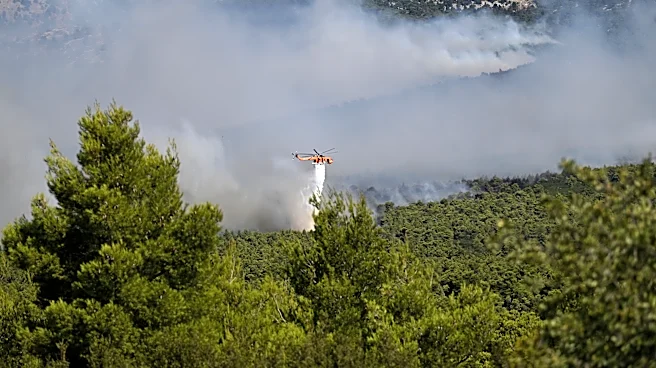
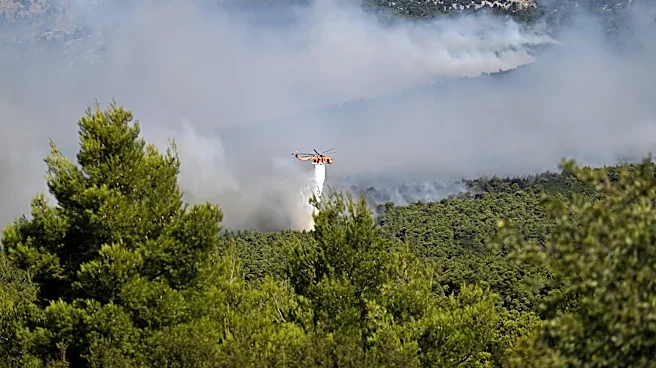
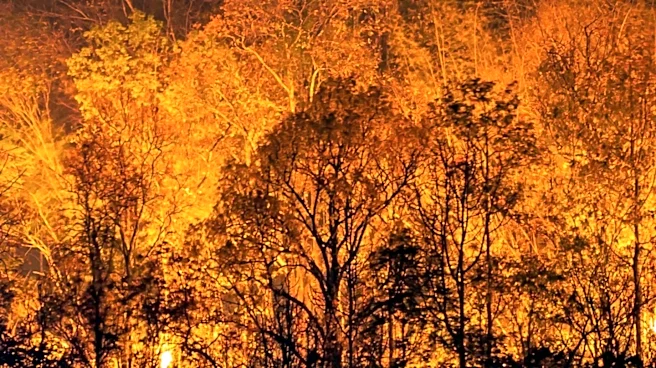
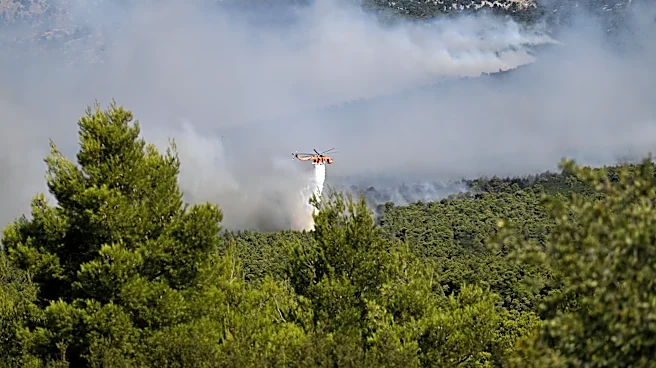
Europe's wildfire crisis is showing signs of easing in countries like France, Spain, and Portugal, but the danger has shifted to Greece. Gale-force winds are driving new wildfires in Greece, particularly affecting the seaside resort of Porto Germeno.
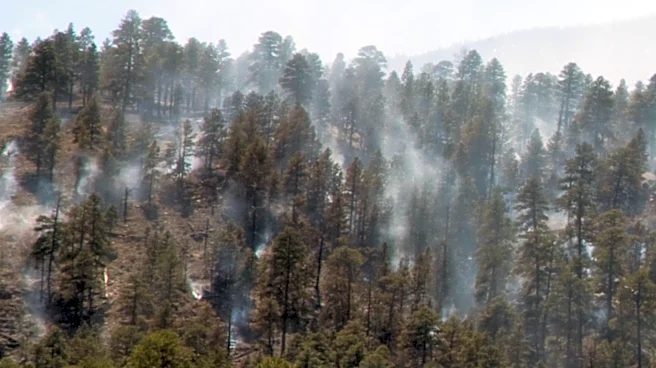
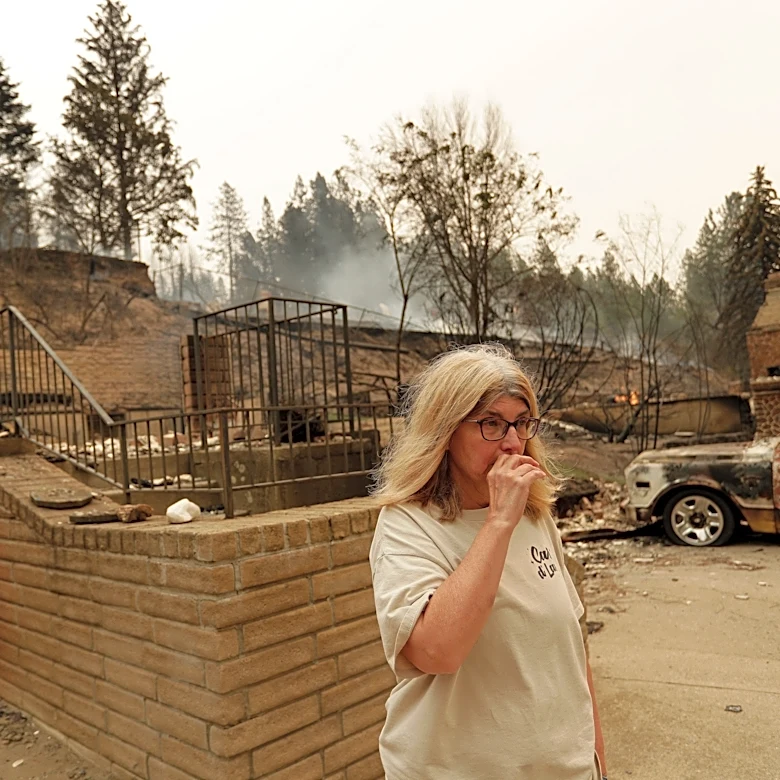
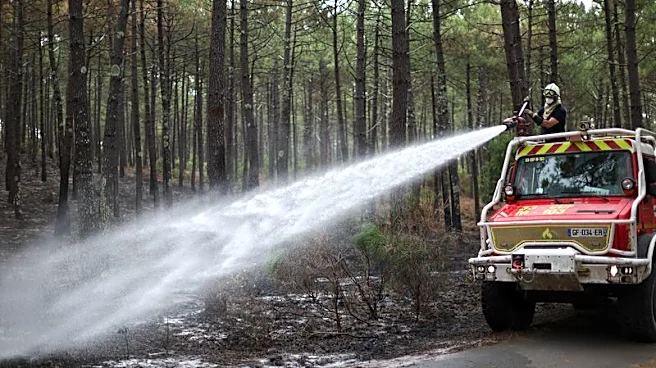
Nearly 500 firefighters are battling the flames, which have forced evacuations by land and sea. The fires in Greece are reminiscent of the 2018 Mati wildfire, which was the deadliest in Europe this century. Meanwhile, in France, major fires have been contained, allowing many residents to return home, although some areas remain under evacuation orders due to lingering hot spots.
Why It's Important?
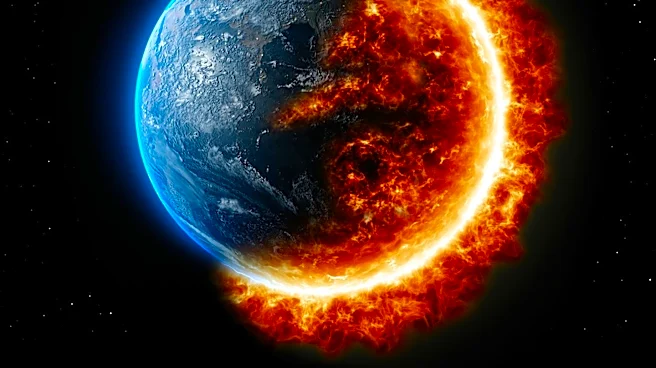
The shift of the wildfire crisis to Greece highlights the ongoing threat of extreme weather events exacerbated by climate change. Europe is warming at more than twice the global average, leading to drier and more combustible vegetation. This situation poses significant challenges for emergency services and underscores the need for robust climate adaptation strategies. The economic and social impacts are profound, as wildfires disrupt communities, displace residents, and strain resources. The crisis also emphasizes the importance of international cooperation in addressing climate-related disasters.
What's Next?
As the wildfire threat continues in Greece, authorities are likely to maintain high alert levels and evacuation orders in affected areas. The Greek government may seek additional support from international partners to manage the crisis. In the long term, European countries may need to invest in more comprehensive fire prevention and response strategies, as well as climate resilience measures to mitigate the impact of future extreme weather events.