







What's Happening?
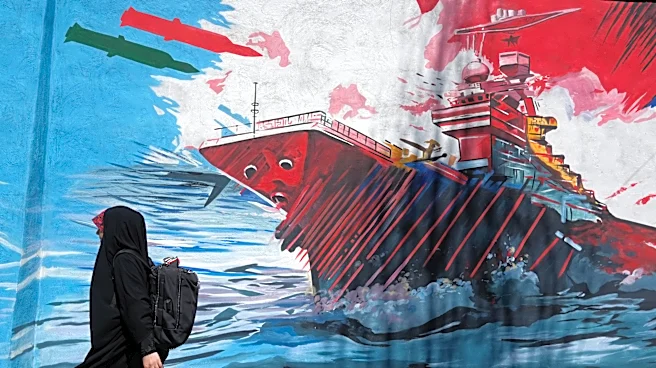
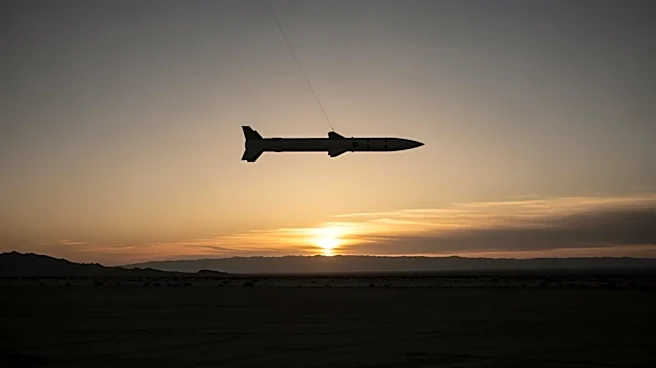
In the ongoing confrontation between Israel and Iran, both nations have engaged in a series of retaliatory actions without either side achieving a decisive victory. This cycle of attacks and responses has been marked by significant military exchanges,
including Iran's launch of ballistic and cruise missiles, which were largely neutralized by Israel with international assistance. President Trump has intervened to de-escalate the situation, recognizing that neither Israel nor Iran can deliver a knockout blow. The current geopolitical tension is compounded by upcoming global events such as the World Cup and the U.S. midterm elections, which increase the urgency for a resolution. The situation is further complicated by the economic impact of rising oil prices, which have negatively affected markets.
Why It's Important?
The resolution of the Israel-Iran conflict is crucial for maintaining regional stability and preventing further economic repercussions. President Trump's involvement highlights the strategic importance of U.S. diplomacy in the Middle East. The potential for a U.S.-Iran agreement could shift power dynamics, with Iran possibly gaining leverage in negotiations. This development is significant for U.S. foreign policy, as it seeks to balance its alliances and manage international relations amid domestic political pressures. The economic implications, particularly concerning oil prices, underscore the interconnectedness of geopolitical events and global markets.
What's Next?
The next steps involve potential negotiations between the U.S. and Iran, where Iran may seek concessions in exchange for cooperation. The outcome of these discussions could influence future U.S. foreign policy and its approach to Middle Eastern affairs. Stakeholders, including political leaders and economic analysts, will closely monitor these developments, as they could have far-reaching implications for international diplomacy and economic stability.
Beyond the Headlines
The broader implications of this situation include the ethical considerations of international diplomacy and the strategic calculations involved in conflict resolution. The interplay between military actions and diplomatic negotiations highlights the complexity of global politics. Long-term, this could lead to shifts in alliances and influence the U.S.'s role as a mediator in international conflicts.