





What's Happening?
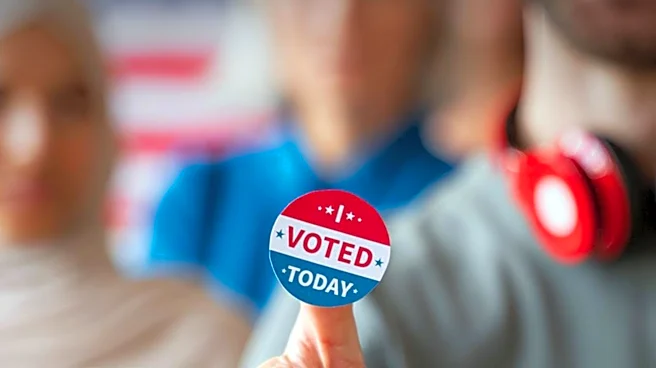
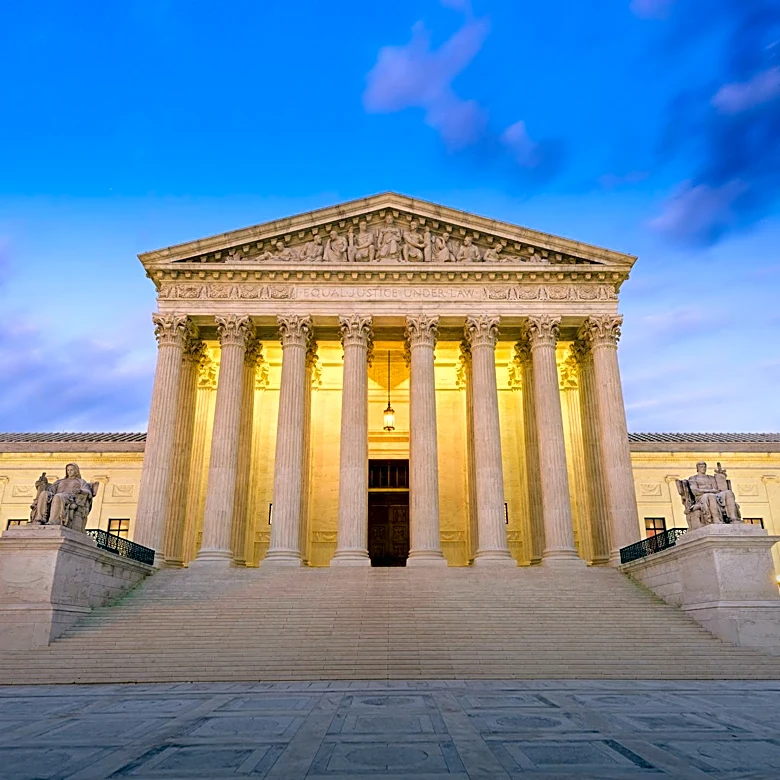
The U.S. Supreme Court has decided not to review a lower court ruling that effectively ends a tool used to protect minority voters under the Voting Rights Act in seven Midwestern states. This decision leaves in place a 2025 ruling by the 8th U.S. Circuit
Court of Appeals, which found that private individuals and groups cannot sue to enforce Section 208 of the Voting Rights Act. This section allows voters with disabilities or those unable to read or write to receive assistance from a person of their choice. The Supreme Court's decision follows a recent trend of rulings that have weakened the Voting Rights Act, including a major decision two months ago that affected redistricting protections.
Why It's Important?
The Supreme Court's decision not to intervene in this case could significantly impact voting rights enforcement in the United States. By limiting the ability of private individuals and groups to sue under the Voting Rights Act, the ruling could lead to fewer lawsuits aimed at protecting minority voters. This is particularly concerning given the Justice Department's limited resources and shifting priorities, which may not always align with the needs of minority communities. The decision could also embolden states to pass more restrictive voting laws, knowing that private enforcement is now more challenging.
What's Next?
The decision may prompt further legal challenges and legislative efforts to restore or strengthen voting rights protections. Civil rights groups, such as the Mexican American Legal Defense and Educational Fund, plan to continue pursuing cases that could eventually bring the issue back to the Supreme Court. Additionally, there may be increased pressure on Congress to pass new legislation that explicitly allows private enforcement of voting rights protections.