




What's Happening?
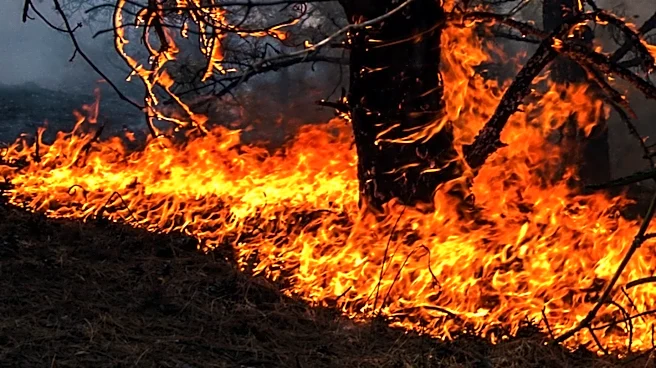
New York State has recently seen several wildfires, burning approximately 275 acres over the past 11 days, exacerbated by dry conditions and fallen leaves. The Fire Danger has been elevated to HIGH in the Catskills and most of Eastern Upstate New York,
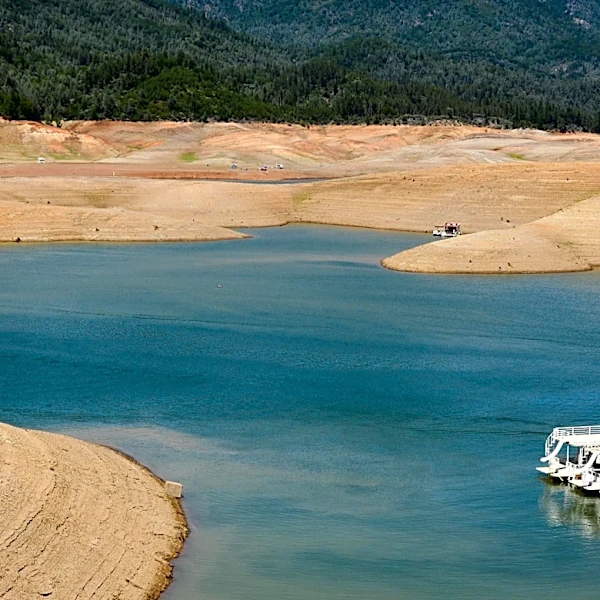
with much of the state experiencing abnormally dry conditions according to the US Drought Monitor. Recent incidents include a 1.2-acre fire in Sharon Springs on October 20, a 375-square-foot fire near Tupper Lake on October 21 caused by an illegal campfire, and a nearly two-acre leaf fire in Butternuts on October 22. On October 24, a 21-acre fire was spotted near Indian Lake, and on October 25, a 1.5-acre brush fire near Mattison Hollow in Berlin quickly spread to 251 acres due to steep and rocky terrain, requiring over a hundred firefighters and the National Guard for containment by October 27.
Why It's Important?
The increase in wildfires across New York State highlights the significant impact of environmental conditions, such as prolonged dry spells and accumulated dry foliage, on public safety and natural resources. These fires pose immediate threats to communities, infrastructure, and ecosystems, requiring substantial resources for containment from local fire departments and state agencies like the NYS Forest Rangers. The elevated fire danger also underscores the need for public awareness and adherence to fire prevention guidelines, especially concerning campfires and outdoor burning. Economically, these events can lead to considerable costs associated with firefighting efforts, potential property damage, and long-term ecological recovery. The situation also brings attention to air quality concerns, as smoke from these fires, and even from brushfires in the Southern United States, can affect New York's atmosphere, impacting public health.
What's Next?
Authorities will continue to monitor daily fire danger ratings, which are expected to fluctuate based on weather patterns, with fire risk remaining a concern throughout the fall foliage season. The New York State Department of Environmental Conservation (DEC) will likely maintain its advisories discouraging campfires outside of established fire rings and emphasizing proper extinguishing techniques. Public education campaigns on wildfire prevention tips, such as completely dousing campfires, not discarding ashes on vegetation, and refraining from smoking in flammable areas, will be crucial. Emergency services will remain on high alert, ready to respond to new outbreaks. Furthermore, ongoing efforts to track air quality impacts will inform public health recommendations, especially for vulnerable populations. The long-term outlook suggests a continued need for proactive measures to mitigate wildfire risks in a changing climate.
Beyond the Headlines
The recurring wildfires in New York State, alongside similar events in other regions like Minnesota, point to a broader trend of increased wildfire activity potentially linked to changing climate patterns. The mention of 'abnormally dry' conditions and the impact of 'hot embers burn[ing] into the ground where they can smolder for days or even weeks' highlights the insidious nature of these fires and the challenges in their detection and containment. The reliance on inter-agency cooperation, including local fire departments, Forest Rangers, and even the National Guard, underscores the scale of the problem and the collective effort required. This situation also brings to light the ethical responsibility of individuals regarding outdoor activities, as evidenced by the illegal campfire causing one of the blazes. The long-term implications extend to forest management practices, land use policies, and the need for resilient community planning in the face of escalating environmental risks.