





What's Happening?
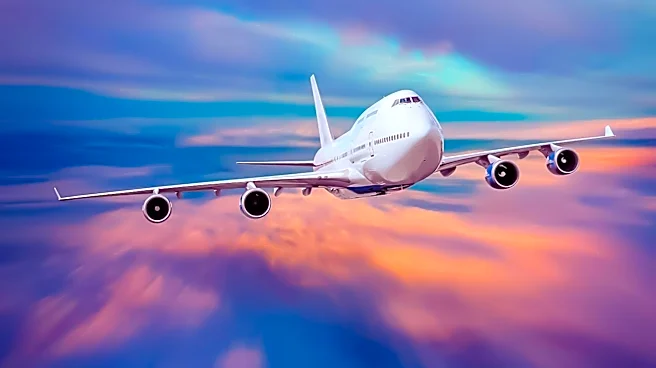
In the 1970s, Air Canada introduced a unique feature on its Boeing 747 aircraft: dancefloors on the upper deck. This innovation allowed passengers to enjoy a nightclub-like experience during long-haul flights, complete with mirrored walls and space to dance.
The initiative was part of a broader trend among airlines to utilize the upper deck of the 747 for lounges and social spaces. However, the dancefloors were short-lived, lasting only about a year. The decision to remove them was driven by economic considerations, as airlines realized that maximizing passenger seating was more profitable than maintaining non-revenue generating spaces like dancefloors.
Why It's Important?
The removal of dancefloors from Air Canada's Boeing 747s highlights a significant shift in the airline industry towards efficiency and profitability. This change reflects broader economic pressures faced by airlines, particularly during the 1970s when fuel prices surged. The decision underscores the industry's focus on optimizing cabin space to increase revenue, a trend that continues to influence airline operations today. The story also illustrates the evolving nature of air travel, from a luxurious experience to a more utilitarian one, driven by economic imperatives.