
What's Happening?
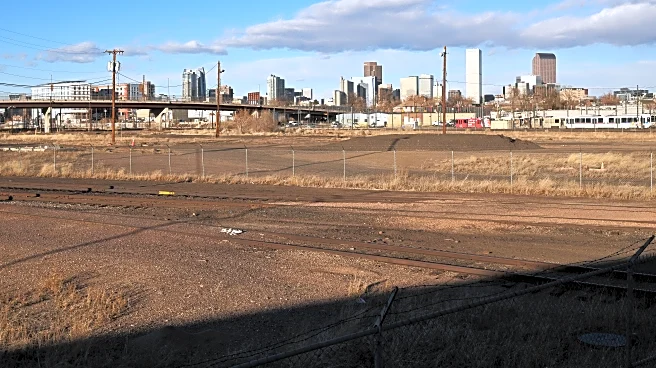
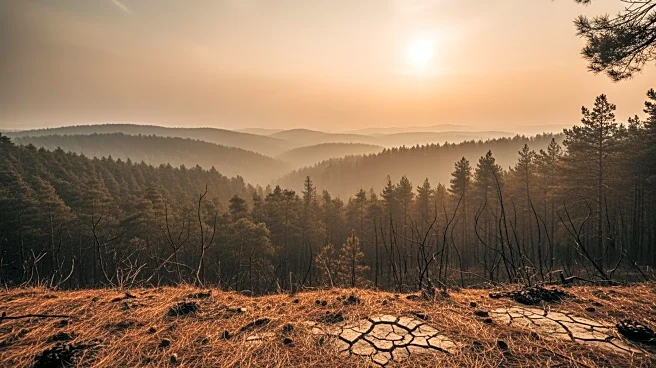
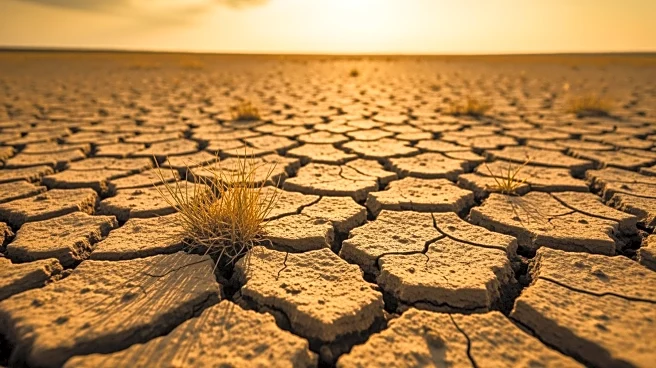
Colorado residents are facing the earliest water restrictions ever imposed due to a combination of record-breaking heatwave and snow drought conditions. Denver Water has announced a 20% cut in water use, urging residents to turn off automatic watering
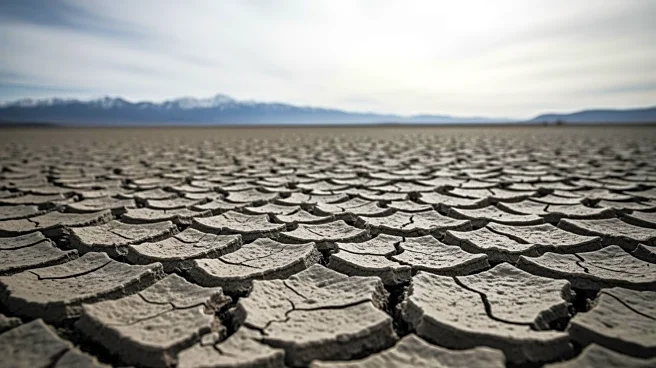
systems until mid-May and limit watering of trees and shrubs to twice a week. The snowpack in Colorado peaked at extremely low levels on March 12, nearly a month earlier than usual, and has since decreased by 40% due to the heatwave. This situation is a harbinger of potential widespread drought concerns across Western states, with implications for water supply, wildfire risks, and electricity generation at hydropower dams.
Why It's Important?
The early water restrictions in Colorado highlight the severe impact of climate change on water resources in the Western United States. The dwindling snowpack and record heatwaves pose significant challenges for water management, affecting agriculture, energy production, and increasing the risk of wildfires. Communities across Colorado, including Denver and Aurora, are experiencing similar conditions, with reservoirs at critically low levels. The situation underscores the urgent need for sustainable water management practices and climate adaptation strategies to mitigate the effects of extreme weather patterns.
What's Next?
As the situation develops, Colorado officials may need to implement further restrictions on water use, potentially limiting watering to once a week. Communities like Erie are already enforcing strict measures to conserve water, using smart meters to monitor usage and deploying utility workers to patrol neighborhoods. The ongoing drought conditions may prompt broader discussions on water conservation policies and infrastructure investments to ensure long-term water security in the region.