







What's Happening?
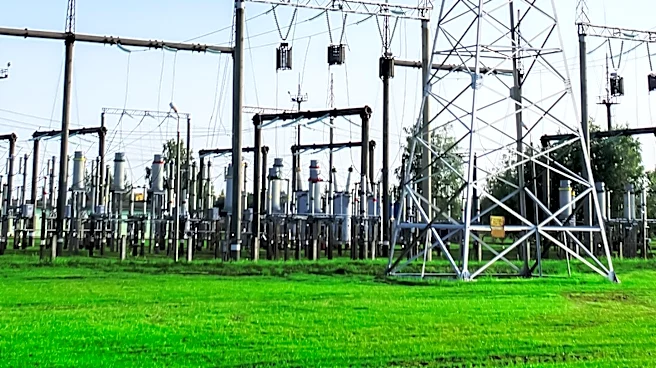
Stantec, a global design and consulting firm, is actively recruiting Senior Transmission Line Engineers to support various high-voltage (HV) transmission projects across the United States. These roles are critical for the detailed design and construction
phases of infrastructure development. The positions emphasize leadership in specifications, route planning, and client coordination. Candidates are expected to possess a Professional Engineer (PE) license or the ability to obtain one within a year, an ABET-accredited engineering degree, and a minimum of eight years of experience in HV line design. Proficiency in specialized software tools such as PLS-CADD, PLS-Pole, PLS-Tower, L-Pile, MFAD, and Microsoft Office is also a key requirement. The firm offers competitive compensation, with salaries ranging from $126,000 to $190,000, along with benefits including medical, dental, and vision plans, tuition reimbursement, and paid holidays and vacation. These roles are available in multiple U.S. offices, including Spokane, Seattle, and Boise.
Why It's Important?
The recruitment drive for Senior Transmission Line Engineers by Stantec underscores the ongoing demand for skilled professionals in the U.S. energy infrastructure sector. The development and maintenance of high-voltage transmission lines are crucial for ensuring grid reliability, supporting the integration of renewable energy sources, and meeting the growing electricity demands of the nation. These projects are vital for modernizing the aging U.S. power grid, which is essential for economic stability and national security. The emphasis on specialized software proficiency highlights the increasing complexity and technological sophistication required in modern transmission line engineering. The competitive compensation and benefits offered reflect the high value placed on these specialized skills, indicating a robust job market for experienced engineers in this field. The successful execution of these projects will have a direct impact on the efficiency and resilience of the U.S. electrical system, benefiting industries, businesses, and consumers nationwide.
What's Next?
Stantec will continue its recruitment efforts to fill these critical engineering positions, aiming to bolster its capacity for upcoming and ongoing transmission projects across the U.S. Successful candidates will be integrated into project teams responsible for the detailed design and construction oversight of high-voltage transmission lines. This will involve extensive collaboration with clients, regulatory bodies, and other stakeholders to ensure projects adhere to technical specifications, safety standards, and environmental regulations. The firm's focus on lead specifications and route planning suggests that new projects or expansions of existing infrastructure are on the horizon. The continued investment in transmission line engineering talent indicates a sustained commitment to strengthening the national power grid, which may lead to further job opportunities and technological advancements in the sector. The ongoing development of these projects will likely involve public hearings, environmental impact assessments, and regulatory approvals, particularly for large-scale infrastructure initiatives.
Beyond the Headlines
The demand for transmission line engineers reflects a broader national imperative to upgrade and expand the U.S. electrical grid. This push is driven by several factors, including the need to replace aging infrastructure, accommodate the increasing penetration of renewable energy sources like wind and solar, and enhance grid resilience against extreme weather events and cyber threats. The specialized skills required, particularly in advanced software tools, highlight a growing technological sophistication in infrastructure development. This trend also points to potential challenges in workforce development, as there is a need to ensure a sufficient pipeline of qualified engineers to meet future demands. The ethical and environmental considerations associated with transmission line routing and construction, such as land use, community impact, and ecological preservation, will continue to be significant aspects of these projects, requiring careful planning and stakeholder engagement. The long-term shift towards a more interconnected and robust grid is fundamental to the nation's energy future and economic competitiveness.