





What's Happening?
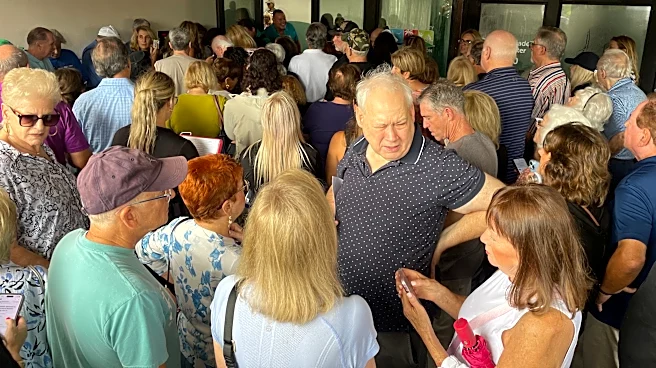
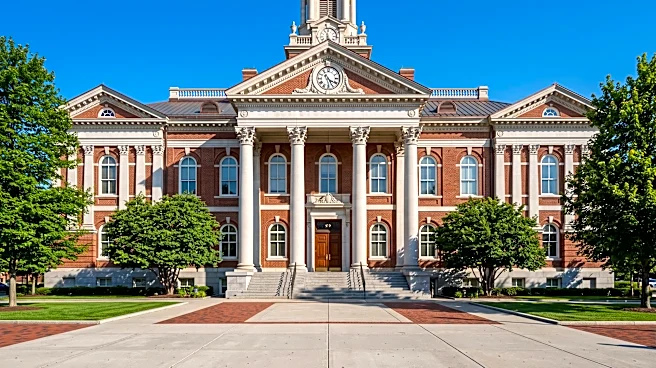
The Hillsboro City Council has advanced a proposed ordinance on October 6 that would implement new restrictions on data center development within the city. If adopted, the ordinance would significantly limit where new standalone data centers can be built,
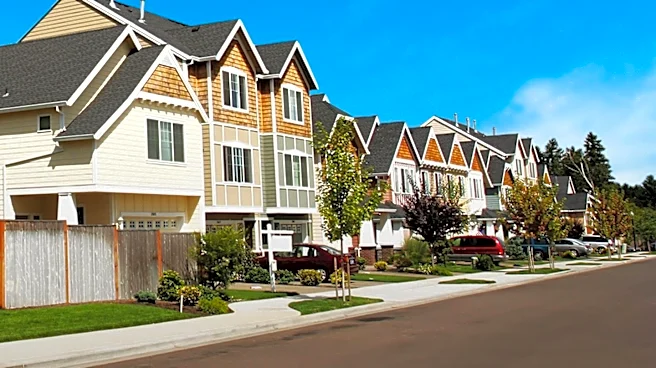
capping their land occupancy and requiring public hearings for proposed facilities. It also introduces new limitations on accessory data centers used by businesses. A provision that would have allowed businesses to place smaller data centers on separate, affiliated properties in industrial zones was removed by a 5-1 council vote. Additionally, a proposed 1,000-foot buffer between data centers and schools, recommended by the Hillsboro Planning Commission due to concerns about potential heat impacts, will be temporary for 12 months while the city conducts further research. The city is currently under a temporary moratorium on new data center proposals and development until November 24. A second reading and potential final vote on the ordinance are scheduled for October 20, with the ordinance taking effect 30 days after mayoral approval.
Why It's Important?
This proposed ordinance is important for Hillsboro as it represents a significant shift in the city's approach to data center development, an industry that has seen considerable growth. By narrowing the permissible zones and capping land usage, the city aims to manage the environmental and community impacts associated with these facilities, such as heat generation. The temporary 1,000-foot buffer around schools highlights growing concerns about the proximity of industrial operations to educational institutions and the potential health and safety implications for children. The council's decision to remove the provision allowing accessory data centers on separate properties indicates a cautious stance on preventing the proliferation of data center infrastructure in unintended areas. This move could influence future industrial zoning and development policies in other U.S. cities grappling with similar issues, balancing economic development with environmental and community well-being.
What's Next?
The Hillsboro City Council is scheduled for a second reading and potential final vote on the proposed data center restrictions on October 20. If approved, the ordinance will become effective 30 days after its passage and mayoral approval. Following the adoption of this initial phase of restrictions, the city plans to undertake a second phase of code changes over the winter and spring. This subsequent phase is expected to delve into additional regulatory aspects, including building heights, permanent buffer requirements, green-building standards, and other environmental protections related to data centers. The temporary 12-month buffer around schools will allow the city to conduct further studies to determine an appropriate permanent distance, with councilors revisiting the restriction as part of the next phase of regulations. The current temporary moratorium on new data center proposals and development will remain in effect until November 24.
Beyond the Headlines
The Hillsboro City Council's actions reflect a broader national conversation about the environmental footprint and community integration of rapidly expanding data center infrastructure. Beyond the immediate concerns of land use and heat generation, the debate over data center placement touches upon issues of energy consumption, water usage for cooling, and the potential for noise pollution. The emphasis on a temporary buffer around schools, pending further study, underscores an evolving understanding of the long-term impacts of such facilities on public health and quality of life, particularly for vulnerable populations like children. This proactive regulatory approach by Hillsboro could set a precedent for other municipalities in the U.S. that are experiencing similar industrial growth, prompting a reevaluation of zoning laws and environmental impact assessments for high-tech developments. It highlights the tension between fostering technological advancement and ensuring sustainable urban planning and community welfare.