








What's Happening?
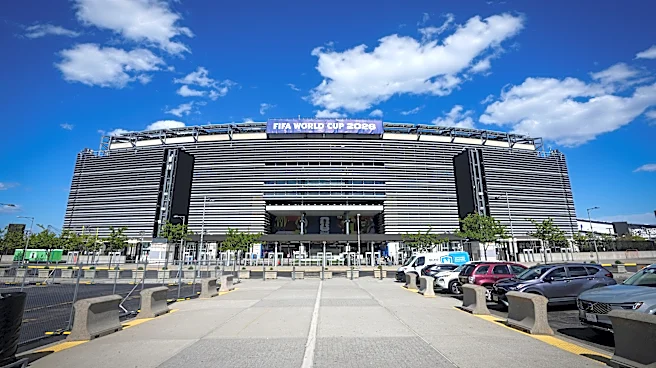
Ouster, Inc., a leader in sensing and perception technology, has completed the deployment of its BlueCity lidar traffic management solution at over 40 locations across highways surrounding MetLife Stadium in New Jersey. This initiative is part of a contract
awarded by the New Jersey Department of Transportation (NJDOT) in 2025, aimed at improving congestion management and city planning in preparation for the 2026 FIFA World Cup. The BlueCity system integrates 3D lidar with AI detection to provide high-fidelity traffic monitoring and real-time safety alerts. This deployment is the largest Intelligent Transportation System (ITS) project undertaken by NJDOT, designed to enhance mobility and safety for the anticipated influx of World Cup visitors.
Why It's Important?
The deployment of Ouster's BlueCity system is significant as it represents a major advancement in traffic management technology, particularly in preparation for large-scale events like the FIFA World Cup. By integrating advanced lidar and AI technologies, NJDOT aims to manage traffic more efficiently, reduce congestion, and improve safety for both visitors and residents. This project not only addresses immediate needs for the World Cup but also establishes a permanent infrastructure that will benefit New Jersey's transportation system in the long term. The successful implementation of such technology could serve as a model for other states and regions hosting large events, highlighting the potential for technology to transform urban mobility and infrastructure management.
What's Next?
Following the deployment, NJDOT will continue to integrate and optimize the BlueCity system within its statewide Advanced Traffic Management System (ATMS). This will involve ongoing monitoring and adjustments to ensure optimal performance during the World Cup and beyond. Stakeholders, including NJDOT and Ouster, will likely evaluate the system's effectiveness in real-time traffic management and safety improvements. The success of this project could lead to further adoption of similar technologies in other regions, potentially influencing future transportation policies and infrastructure investments.