
What's Happening?
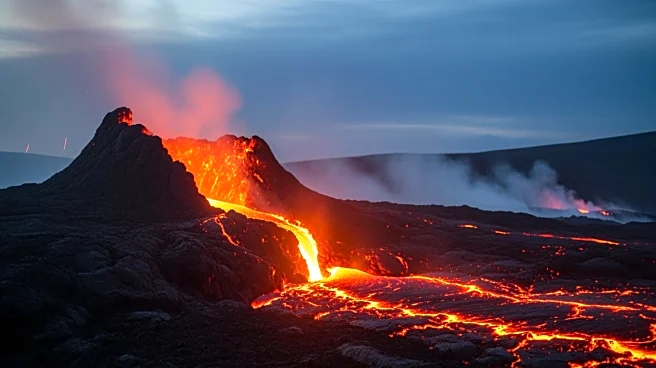
NASA, in collaboration with the Universidad de Costa Rica, is conducting research at Rincón de la Vieja National Park to study volcanic emissions and their impact on vegetation. The project, known as CRATER,
uses uncrewed aircraft systems to gather data on carbon dioxide emissions from volcanic vents. This research aims to understand how rising carbon dioxide levels affect plant life, providing insights into future climate conditions. The study is part of a broader effort to predict how ecosystems will respond to increased atmospheric carbon dioxide, using the volcanic environment as a natural laboratory.
Why It's Important?
This research is significant as it addresses one of the critical questions in climate science: how ecosystems will adapt to rising carbon dioxide levels. By studying the volcanic emissions at Rincón de la Vieja, scientists can gain valuable insights into the potential future impacts of climate change on global vegetation. The findings could inform climate models and help develop strategies for mitigating the effects of increased greenhouse gases. Additionally, the project highlights the importance of interdisciplinary collaboration in advancing scientific understanding of complex environmental issues.
What's Next?
The data collected from this research will be analyzed to improve climate models and predict ecosystem responses to climate change. The findings may also contribute to developing new strategies for managing carbon emissions and enhancing climate resilience. As the project progresses, further studies may be conducted in other volcanic regions to validate the results and expand the understanding of volcanic emissions' role in climate dynamics.