






What's Happening?
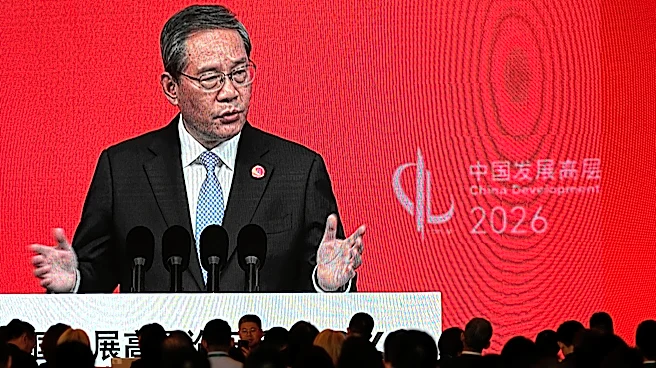
U.S. intelligence has revealed that China is planning to deliver new air defense systems to Iran, specifically shoulder-fired anti-air missile systems known as MANPADs. This information, reported by CNN, suggests that these systems could pose a significant
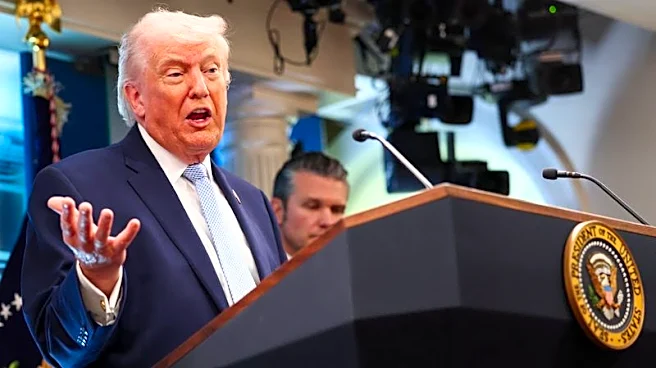
threat to U.S. military aircraft if the current ceasefire between Iran and the U.S. breaks down. The report indicates that China may attempt to disguise the origin of these shipments by routing them through third countries. In response, the Chinese embassy in Washington has denied these claims, emphasizing China's commitment to fulfilling its international obligations and urging the U.S. to avoid baseless accusations. This development comes as President Trump has announced tariffs on imports from countries supplying military weapons to Iran, following a two-week ceasefire agreement.
Why It's Important?
The potential transfer of air defense systems from China to Iran could have significant implications for U.S. military operations and regional stability. These systems could enhance Iran's military capabilities, posing a direct threat to U.S. aircraft and complicating military strategies in the region. The situation highlights the intricate geopolitical relationships between China, Iran, and the U.S., with potential repercussions for international diplomacy and security. The U.S. response, including the imposition of tariffs, reflects its strategic approach to countering perceived threats and maintaining its influence in the region.
What's Next?
The U.S. is likely to continue diplomatic efforts to prevent the transfer of these systems, potentially engaging in further negotiations with China. President Trump's upcoming visit to China for discussions with President Xi Jinping could provide an opportunity to address these concerns directly. Additionally, the U.S. may seek to strengthen alliances with other countries in the region to counterbalance Iran's potential military enhancements. The international community will be closely monitoring the situation, as any escalation could have broader implications for regional stability and global security.