




What's Happening?
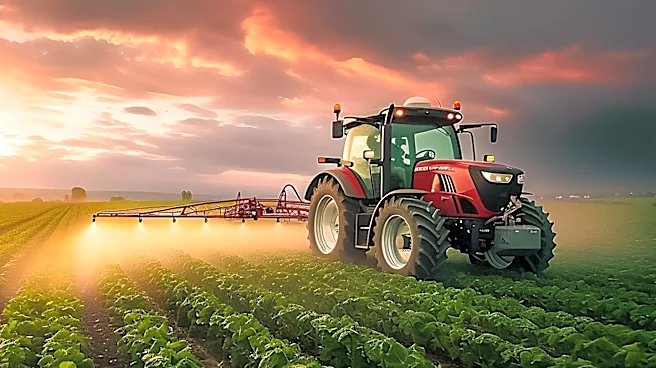
Senator Todd Lewis, a prominent figure in Canadian agriculture, has passed away at the age of 65. Lewis was appointed to the Senate in February 2025 and was known for his advocacy on behalf of farmers in Saskatchewan and across Canada. Before his Senate appointment,
he held significant roles in agricultural organizations, including serving as the First Vice-President of the Canadian Federation of Agriculture (CFA) and as President of the Agricultural Producers Association of Saskatchewan (APAS). His career was marked by a deep commitment to the agricultural community, having farmed near Gray, Saskatchewan, and serving as a municipal councillor for over two decades. His passing was announced with condolences from various political figures, highlighting his impact on rural development and agricultural policy.
Why It's Important?
Todd Lewis's death marks the loss of a significant advocate for the agricultural sector in Canada. His work in the Senate and various agricultural organizations helped shape policies that supported farmers and rural communities. As a fourth-generation farmer, Lewis brought practical insights into the challenges faced by the agricultural sector, influencing policy discussions at the national level. His leadership roles in the CFA and APAS positioned him as a key voice in advocating for farmers' interests, making his passing a notable event for stakeholders in the agricultural industry. The loss of his expertise and advocacy could impact ongoing and future policy initiatives aimed at supporting Canadian agriculture.
What's Next?
Following Todd Lewis's passing, there will likely be discussions on how to continue his legacy of advocacy for the agricultural sector. The Senate and agricultural organizations may seek to appoint a successor who can carry forward his work and maintain the momentum on key agricultural issues. Additionally, there may be memorial services and tributes to honor his contributions to the community and the agricultural industry. Stakeholders in the agricultural sector will be watching closely to see how his absence will affect policy discussions and the representation of farmers' interests in government.