






What's Happening?
A recent study highlights the potential of Indigenous farming practices as a sustainable alternative to modern agricultural systems, which are increasingly threatened by climate change. The research, published in the journal Frontiers in Sustainable Food
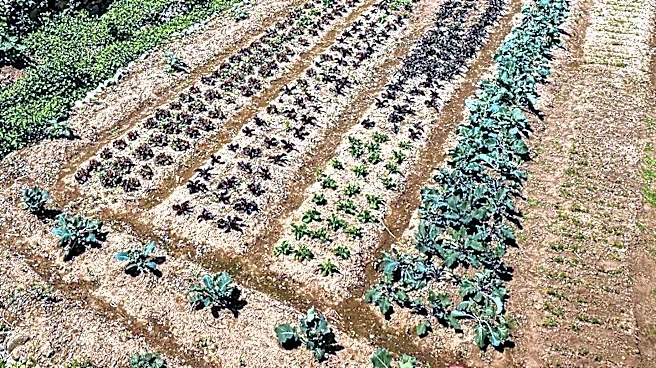
Systems, explores how traditional farming methods, such as the cultivation of maize, beans, and squash together, can protect soil health, reduce biodiversity loss, and support traditional ecological knowledge. The study, led by Kamaljit Sangha from Charles Darwin University, emphasizes the non-monetary values of Indigenous farming systems, which are often overlooked in current economic assessments. These practices not only contribute to food security but also offer ecological and cultural benefits. The study calls for increased government support and policy attention to integrate these traditional methods into broader agricultural practices to build resilience against climate change.
Why It's Important?
The significance of this study lies in its potential to reshape agricultural policies and practices in the face of climate change. As global food systems are responsible for a significant portion of greenhouse gas emissions, integrating Indigenous farming practices could help mitigate these impacts. The study suggests that traditional methods can increase food production without further land clearing, which is crucial for feeding a growing global population projected to reach 10 billion by 2050. By recognizing the value of Indigenous knowledge, policymakers can foster more sustainable and resilient food systems. This approach not only addresses environmental concerns but also supports the preservation of cultural heritage and biodiversity, offering a holistic solution to the challenges posed by modern agriculture.
What's Next?
The study advocates for a merger of traditional and modern agricultural systems to effectively tackle climate change. This requires targeted government investment and policy support to scale Indigenous practices and integrate them into mainstream agriculture. The United Nations Global Biodiversity Framework Fund's commitment to supporting Indigenous initiatives is a step in the right direction, but a global commitment to funding traditional food systems is still lacking. Future research should focus on quantifying the productivity and scalability of Indigenous farming to provide empirical evidence for policymakers. As climate change continues to threaten global food security, the adoption of these practices could become increasingly vital.
Beyond the Headlines
The study also highlights the historical impact of colonialism on Indigenous farming practices, which has led to the loss of traditional knowledge and changes in Indigenous diets. By acknowledging these impacts, the research underscores the need for a more inclusive approach to agricultural development that respects and revitalizes Indigenous knowledge. This could lead to a broader cultural shift in how societies value and integrate traditional ecological practices, potentially influencing global agricultural policies and contributing to a more equitable and sustainable future.