




What's Happening?
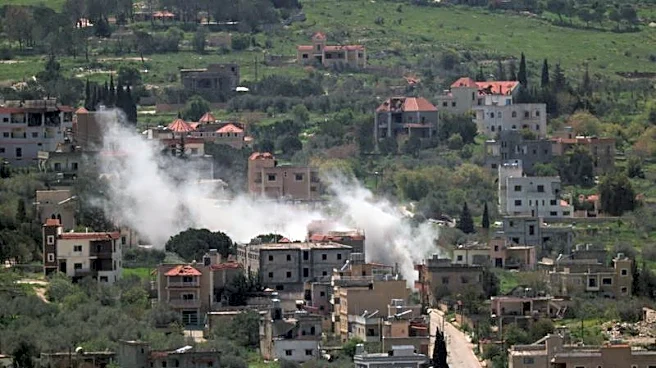
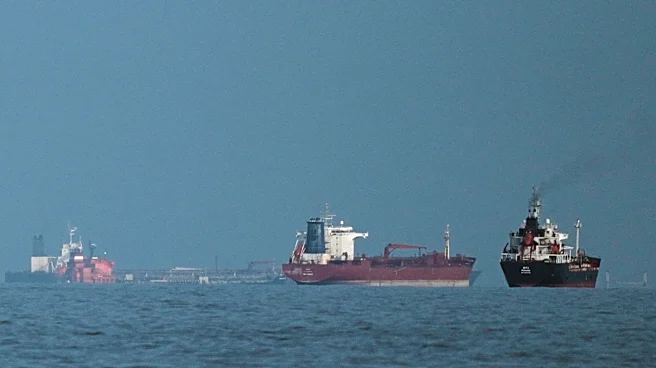
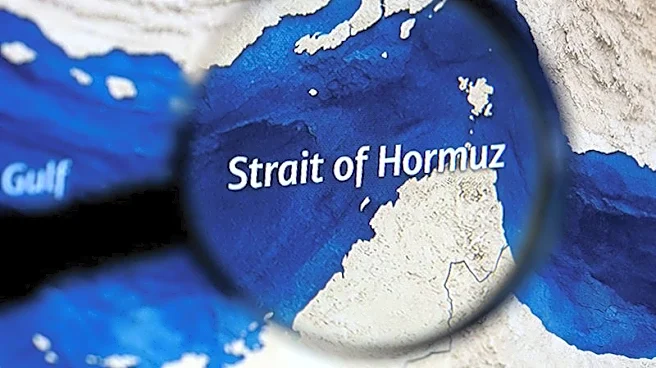
The ongoing conflict in the Middle East has led to a significant shortage of hydrofluorosilicic acid, a chemical used to fluoridate drinking water in the U.S. This shortage has forced water systems, including Baltimore's, to reduce fluoride levels from
0.7 mg/L to 0.4 mg/L. The chemical is primarily sourced from international producers, and disruptions in the supply chain have been exacerbated by the conflict, particularly affecting production in Israel. Approximately 60% of the U.S. population relies on fluoridated water to prevent cavities, a public health measure that reduces cavities by about 25%. The shortage is unprecedented, and while the water remains safe, the reduction in fluoride could impact dental health if the situation persists.
Why It's Important?
The reduction in fluoride levels in drinking water could have significant public health implications, particularly in communities that rely on fluoridation to prevent tooth decay. The shortage highlights the vulnerability of supply chains for essential chemicals and the potential impact of international conflicts on domestic public health measures. If the shortage continues, more water systems may be forced to reduce or halt fluoridation, potentially increasing the incidence of cavities and related dental issues. This situation underscores the need for alternative sources of fluoride and the importance of maintaining robust supply chains for critical public health resources.
What's Next?
If the conflict in the Middle East continues, further disruptions in the supply chain could lead to more widespread reductions in water fluoridation across the U.S. Water systems may need to explore alternative sources of fluoride or consider other public health measures to mitigate the impact on dental health. The situation may also prompt discussions on the need for domestic production of essential chemicals to reduce reliance on international suppliers. Public health officials and policymakers will need to monitor the situation closely and develop contingency plans to address potential long-term impacts on public health.