



What's Happening?
Recent data reveals that nearly half of Welsh councils are rejecting the majority of compensation claims from drivers for pothole-related damages. According to figures obtained by the RAC motoring group, Carmarthenshire Council rejected over 99% of such
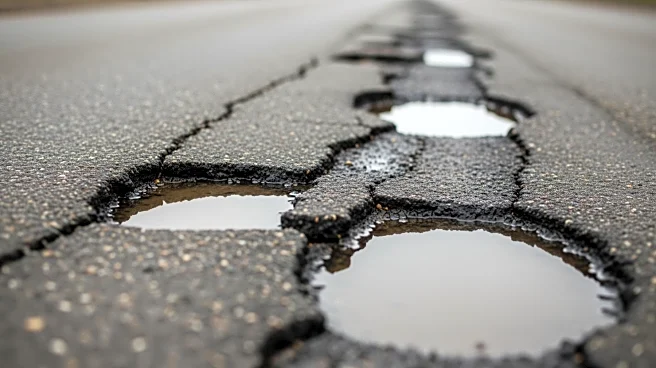
claims in 2024, with eight other councils also having refusal rates exceeding 90%. In contrast, Bridgend Council approved all 52 claims it received. Potholes have been a persistent issue for drivers, causing significant damage to vehicles and posing safety risks to cyclists and pedestrians. The data shows that Carmarthenshire received 114 claims but only paid out once, highlighting a 99.12% refusal rate. Local garage owners report frequent visits from drivers with pothole damage, indicating ongoing road maintenance issues. The number of claims across Welsh councils increased by 26% from 2021 to 2024, yet the success rate of claims dropped from 25% to 21%. The RAC notes that the criteria for what constitutes a pothole vary among councils, affecting the likelihood of successful claims.
Why It's Important?
The high rejection rate of pothole damage claims by Welsh councils has significant implications for drivers and local communities. The refusal to compensate for damages places a financial burden on vehicle owners, who must cover repair costs themselves. This situation may deter individuals from filing claims, despite the persistent road maintenance issues. The inconsistency in how councils define and address potholes can lead to disparities in road safety and vehicle maintenance costs. The RAC's findings suggest that the problem is widespread, with potential safety hazards for cyclists and motorcyclists who are particularly vulnerable to road surface conditions. The financial impact extends beyond individual drivers, as increased repair costs can affect insurance premiums and local economies. The data also highlights the need for improved road maintenance and consistent criteria for addressing pothole issues across councils.
What's Next?
The ongoing issue of pothole damage and claim rejections may prompt further scrutiny of council policies and road maintenance practices. Stakeholders, including local governments and motoring organizations, may need to collaborate to establish standardized criteria for pothole identification and repair. Increased public pressure could lead to policy changes or additional funding for road maintenance to address the growing number of claims and improve road safety. The disparity in claim approval rates among councils may also lead to calls for greater transparency and accountability in how claims are processed and evaluated. As the problem persists, there may be a push for legislative or regulatory changes to ensure fair compensation for affected drivers and to enhance road infrastructure.