


What's Happening?
Iowa Senator Chuck Grassley has expressed strong support for the renewal of the U.S.-Mexico-Canada Agreement (USMCA), emphasizing its importance in maintaining a unified North American economy. Grassley argues that the USMCA is more beneficial than imposing
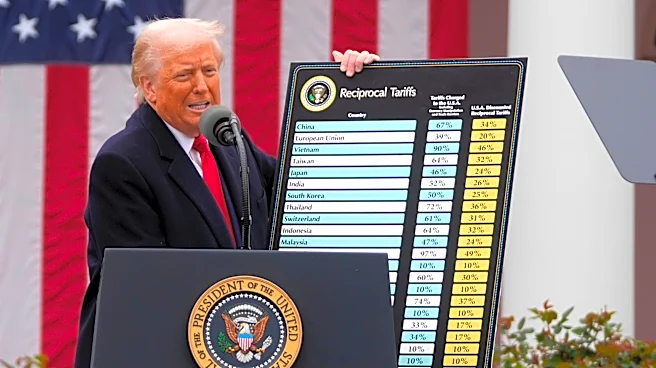
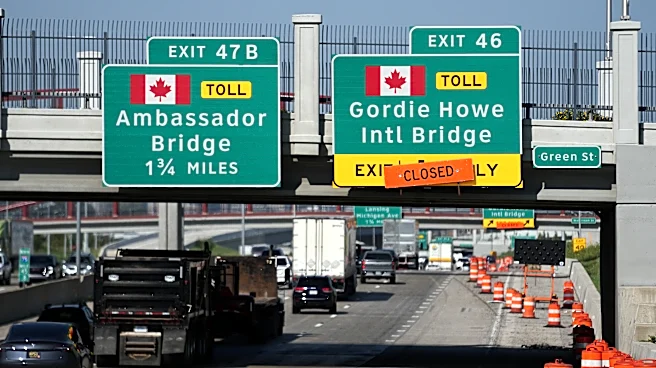
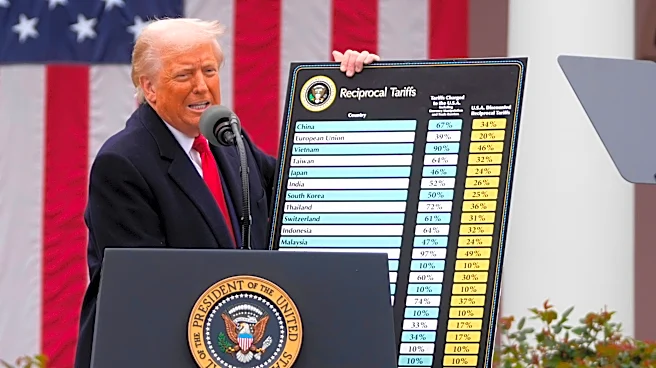
special tariffs on products entering the United States. This statement comes in the wake of President Trump's recent imposition of a 50% tariff on a range of Canadian goods, including steel and aluminum, as a response to what he describes as Canada's unequal treatment of American imports. Grassley believes that the USMCA should be extended without changes, highlighting its positive impact on various economic sectors, particularly agriculture.
Why It's Important?
The renewal of the USMCA is crucial for sustaining economic stability and growth across North America. Grassley's advocacy underscores the agreement's role in enhancing trade relations and economic integration among the U.S., Canada, and Mexico. The imposition of tariffs by President Trump could potentially strain these relationships and disrupt trade flows, affecting industries reliant on cross-border commerce. Grassley's stance suggests a preference for collaborative economic policies over protectionist measures, which could influence future trade negotiations and legislative decisions. The outcome of these discussions will have significant implications for businesses and consumers in the U.S. and its neighboring countries.
What's Next?
As discussions continue in Mexico City, the focus will be on whether the USMCA can be renewed without modifications. The new tariffs on Canadian goods are set to take effect in 30 days, which may prompt further negotiations or retaliatory measures from Canada. Stakeholders, including lawmakers, industry leaders, and trade organizations, will likely engage in lobbying efforts to influence the outcome. The U.S. Congress may also play a role in determining the future of the USMCA, with potential debates and votes on any proposed changes or extensions. The situation remains dynamic, with economic and political factors shaping the path forward.