
What's Happening?
Lebanon has accused Israel of obstructing rescue efforts following an Israeli airstrike that killed journalist Amal Khalil in southern Lebanon. The incident occurred near the town of al-Tayri, where Khalil and
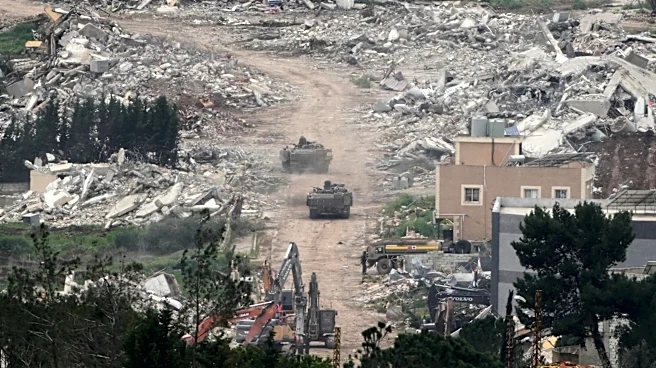
photographer Zeinab Faraj were covering developments. After an Israeli strike hit a vehicle in front of them, they sought shelter in a nearby house, which was subsequently targeted by another strike. Lebanon's health ministry reported that Israeli forces blocked rescuers by firing a sound grenade and live ammunition at an ambulance. Khalil was later found dead under the rubble. The Israeli military acknowledged reports of injured journalists but denied preventing rescue operations. The incident has heightened tensions amid ongoing ceasefire talks between Lebanon and Israel.
Why It's Important?
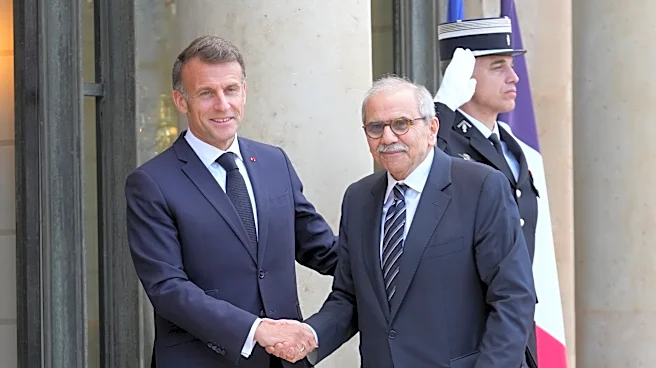
The death of Amal Khalil underscores the fragile nature of the ceasefire between Israel and Lebanon, highlighting the risks faced by journalists in conflict zones. Lebanon's Prime Minister Nawaf Salam has labeled the targeting of journalists and obstruction of relief efforts as 'war crimes,' indicating potential legal and diplomatic repercussions. The incident could strain Lebanon-Israel relations further and complicate ongoing negotiations aimed at extending the ceasefire. The international community, particularly media and human rights organizations, may increase pressure on Israel to ensure the safety of journalists and uphold humanitarian principles.
What's Next?
Lebanon plans to raise the issue of Israeli military actions during ceasefire talks in Washington, seeking an extension of the truce. The talks, mediated by the United States, aim to establish a framework for lasting peace. Lebanon's government is expected to pursue accountability for the attack on journalists through international legal channels. Meanwhile, Israel's military operations in southern Lebanon continue, with both sides accusing each other of ceasefire violations. The outcome of the talks could influence regional stability and the future of Lebanon-Israel relations.