








What's Happening?
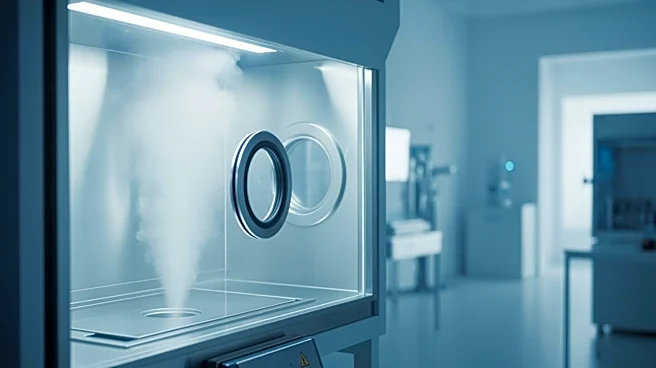
The Environmental Protection Agency (EPA) has proposed amendments to the National Emission Standards for Hazardous Air Pollutants (NESHAP) for commercial sterilization facilities using ethylene oxide (EtO). The proposed rule aims to reduce regulatory
burdens on these facilities, potentially saving $630 million in compliance costs over 20 years. The EPA's proposal includes rescinding Biden-era 2024 standards and revising emissions standards based on Maximum Achievable Control Technology (MACT) rather than risk-based standards. The proposal addresses stakeholder concerns about the feasibility of complying with previous requirements and emphasizes EtO's importance in the medical products supply chain.
Why It's Important?
The proposed amendments have significant implications for the U.S. medical products supply chain and national security. By reducing regulatory burdens, the EPA aims to prevent sterilization facility closures and decrease reliance on foreign countries for sterilized medical products. The changes could enhance the security and stability of the domestic supply chain, ensuring the availability of essential medical devices. Additionally, the proposal reflects ongoing debates about regulatory approaches and the balance between environmental protection and economic considerations. The decision to revise emissions standards based on MACT highlights the EPA's focus on technological feasibility and cost-effectiveness.
What's Next?
The EPA is currently accepting public comments on the proposed rule, with a virtual public hearing held on April 1. Stakeholders, including industry representatives and environmental groups, are expected to engage in the comment process and influence the final rule. The outcome of this rulemaking could set a precedent for future regulatory decisions and impact the broader regulatory landscape for hazardous air pollutants. Facilities affected by the proposed changes will need to stay informed about developments and prepare for potential adjustments to compliance strategies. The EPA's decision will also be closely watched by state and local regulators, who may impose additional requirements.