




What's Happening?
Geoff Froh, Deputy Director of Densho, an organization dedicated to preserving the history of Japanese American incarceration, recently discussed his role in building Densho's digital legacy. Froh, whose mother was born at Tule Lake internment camp in 1943,
has been involved with Densho since the late 1990s, initially as a volunteer. His background in web technologies and digital video, including experience with the Japan America Society and the University of Washington, proved crucial in establishing Densho's digital infrastructure. He emphasized the importance of reclaiming and stewarding WWII data related to Japanese American incarceration, stating that this data, created without consent, belongs to the community and should be used to accurately tell their story. Densho's commitment to open access and making historical materials widely available online has been a cornerstone of its mission since its first website launch in 2000 and the subsequent online archive in 2002.
Why It's Important?
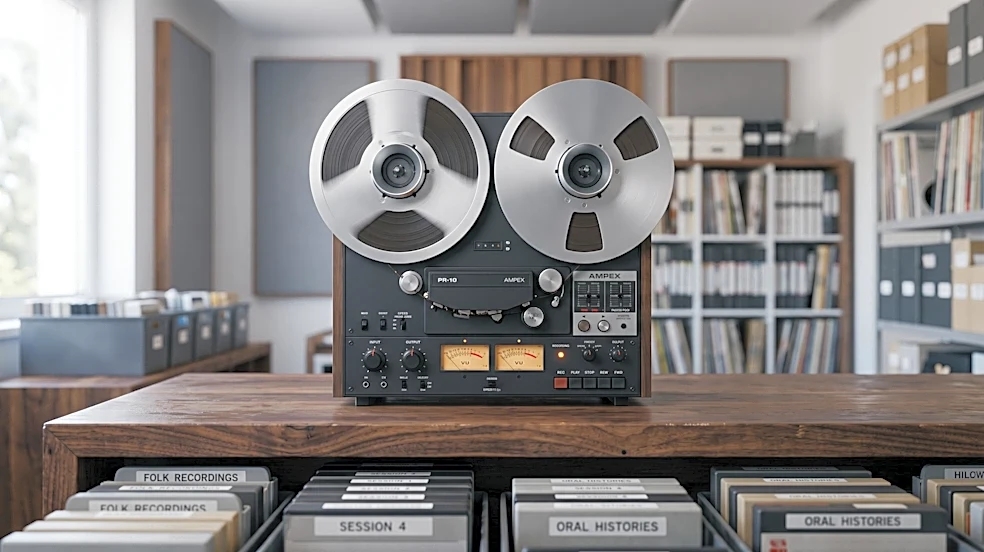
The work undertaken by Geoff Froh and Densho is vital for several reasons. Firstly, it ensures the preservation of a critical, often overlooked, chapter of U.S. history, preventing its erasure or misrepresentation. By digitizing oral histories, photos, and documents, Densho provides accessible resources for education and research, fostering a deeper understanding of the Japanese American experience during WWII. This initiative also empowers the Japanese American community to control their narrative, countering historical accounts that may have been biased or incomplete. The commitment to open-source technology and open access aligns with broader movements for information accessibility and transparency, setting a precedent for other cultural memory organizations. In an era where historical narratives can be contested, Densho's efforts provide a factual foundation for understanding past injustices and their lasting impact on American society.
What's Next?
Densho is entering a 'post-witness era,' where individuals who directly experienced incarceration are fewer. This shift places a greater responsibility on descendants and organizations like Densho to not only preserve existing stories but also to contextualize and reinterpret them for new generations. The organization plans to continue its work in digital preservation, adapting to new technologies to ensure the longevity and accessibility of its archives. This includes exploring innovative ways to engage the public with the history of Japanese American incarceration and connecting it to broader themes in American history. Densho's model of community-based history and archives is expected to serve as an ongoing example for other cultural memory organizations seeking to empower communities to tell their own stories and ensure proper stewardship of their historical materials.
Beyond the Headlines
The work of Densho extends beyond mere historical archiving; it addresses profound ethical and societal implications. The emphasis on reclaiming data created without consent highlights issues of privacy, agency, and the power dynamics inherent in historical record-keeping. By asserting ownership over this data, the Japanese American community is actively resisting historical marginalization and asserting their right to self-representation. Furthermore, Densho's commitment to open access and open-source technology underscores a philosophical stance that information should be freely available to all, fostering a more informed and engaged citizenry. This approach challenges traditional gatekeeping in historical institutions and promotes a more democratic understanding of the past. The ongoing relevance of this history, as noted by Froh, points to the cyclical nature of prejudice and the importance of learning from past injustices to prevent their recurrence.