



What's Happening?
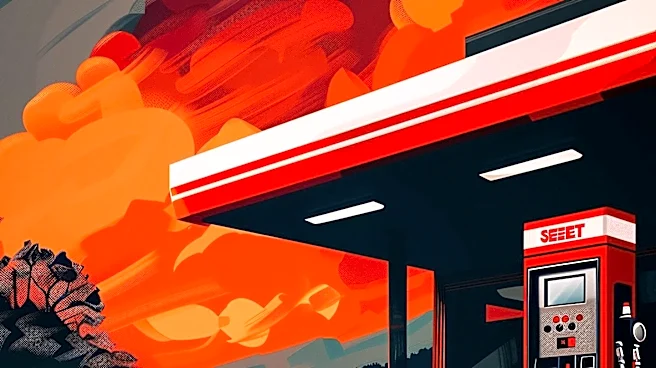
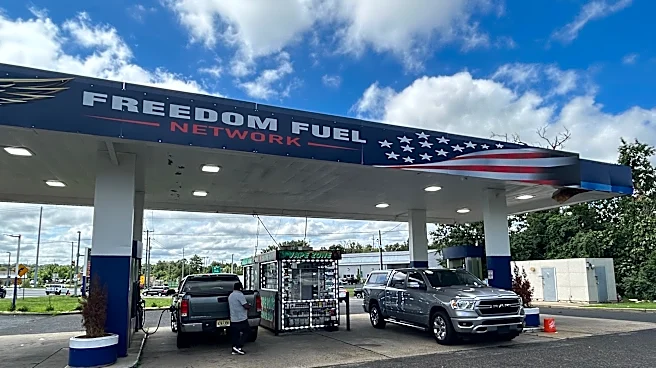
North Carolina Attorney General Jeff Jackson's office has launched investigations into 31 gas stations across the state. These inquiries stem from consumer complaints alleging that these stations are not passing on savings from a temporary suspension
of the state’s 41-cent-per-gallon gas tax. The gas tax suspension, which began on October 10 and is set to run through November 30, 2026, was enacted to provide relief to consumers from high fuel prices. Attorney General Jackson initiated a program called NC Fuel Check, encouraging drivers to report stations suspected of not lowering their prices. While receiving an inquiry letter does not automatically mean a station has violated the law, Jackson's office is requesting explanations for their pricing practices. The state's average price for a gallon of regular unleaded is currently about $3.41, a 16.7% decrease from a month ago, around the time the gas-tax suspension bill was introduced.
Why It's Important?
This investigation is significant as it directly addresses consumer protection and the intended benefits of a state-level tax policy. The temporary gas tax suspension was designed to alleviate financial burdens on North Carolina drivers, and the Attorney General's actions aim to ensure that these savings are indeed reaching the public. If gas stations are found to be withholding these savings, it could undermine public trust in both businesses and government initiatives. The potential for civil penalties of up to $5,000 per violation for unfair and deceptive trade practices highlights the state's commitment to enforcing fair pricing. This situation also underscores the complexities of implementing tax relief measures, as the benefits may not always be immediately or fully transferred to consumers, leading to scrutiny from regulatory bodies and public outcry.
What's Next?
Attorney General Jackson's office expects to send out additional inquiries to more gas stations in the coming weeks as they continue to review consumer complaints. The 31 stations currently under investigation are required to provide prompt explanations for their pricing practices. The Attorney General's office will consider factors such as transportation costs and wholesale prices when evaluating these explanations. While the current law does not explicitly mandate gas stations to lower prices, and price-gouging laws only apply during declared emergencies, the state's rules against unfair and deceptive trade practices provide a basis for potential enforcement actions. Consumers are encouraged to continue reporting suspicious pricing through the NC Fuel Check program, providing details such as station name, address, price per gallon, and photos of price signs and receipts.
Beyond the Headlines
The situation in North Carolina reflects a broader challenge in economic policy: ensuring that tax relief measures translate into tangible benefits for the intended recipients. The gap between policy implementation and market behavior can lead to public frustration and accusations of corporate profiteering. This investigation could set a precedent for how states monitor and enforce consumer-oriented tax changes, potentially leading to more stringent oversight mechanisms in the future. It also highlights the power of consumer vigilance and reporting in holding businesses accountable. The outcome of these investigations could influence future legislative decisions regarding tax suspensions and consumer protection laws, emphasizing the need for clear guidelines and robust enforcement to prevent businesses from exploiting temporary tax breaks.