





What's Happening?
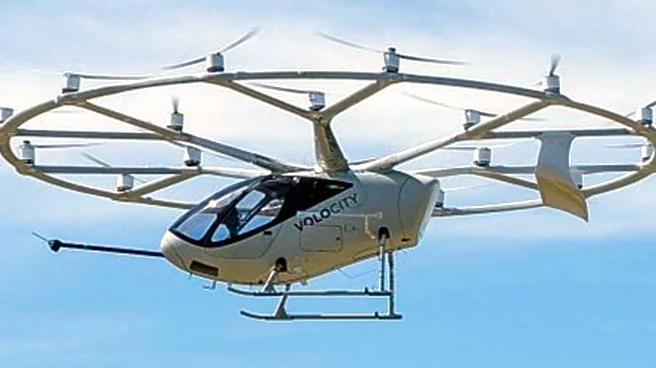
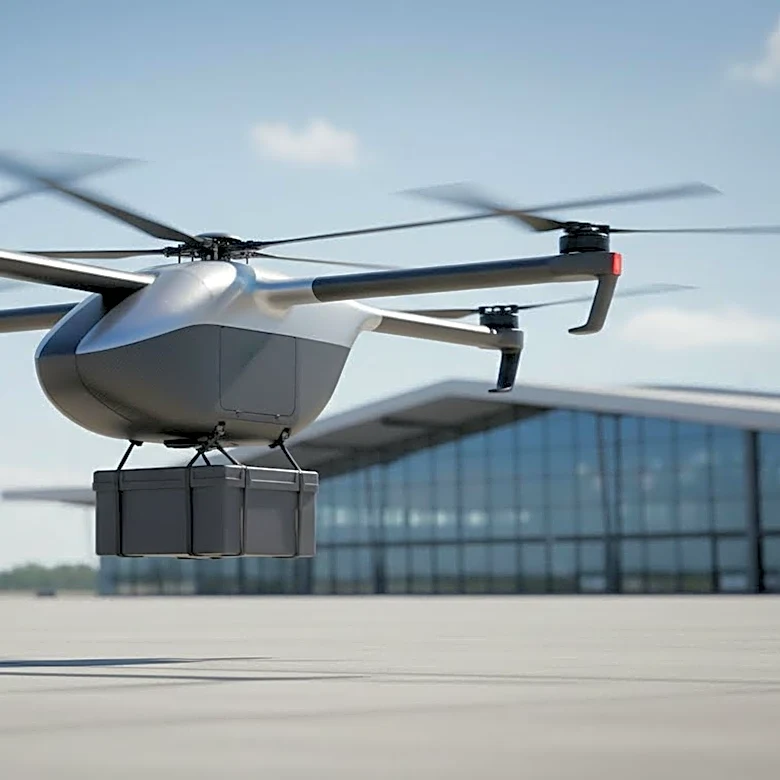
A prototype hybrid-electric aircraft, manufactured by Electra, a Virginia-based company, conducted a test flight and demonstration at the Tioga Marine Terminal in Port Richmond, Philadelphia. The two-person aircraft, featuring a turbogenerator that converts
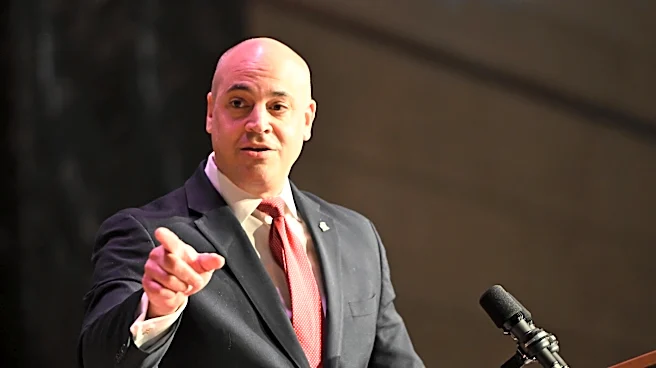
fuel into electric power and propellers designed to enhance lift, showcased its ability to take off and land in approximately six to seven seconds, described by a senior vice president at Electra, J.P. Stewart, as akin to an elevator. The event was attended by business professionals, aviation students, and elected officials, including state Representative Ed Neilson, majority chair of the Pennsylvania House Transportation Committee. This demonstration is part of a federal program aimed at fostering the development of 'advanced air mobility,' which includes hybrid-electric planes intended for uses such as air taxis or short-distance flights between cities like Philadelphia, Washington D.C., or New York. Pennsylvania is one of eight states participating in this federal initiative.
Why It's Important?
The successful demonstration of Electra's hybrid-electric aircraft in Philadelphia highlights a significant step forward in the development of advanced air mobility within the U.S. This technology has the potential to revolutionize short-distance travel, offering new transportation options and potentially reducing reliance on traditional, more carbon-intensive modes of transport. For regions like Pennsylvania, participation in federal programs supporting such innovation could lead to substantial economic benefits. Local officials, including state Representative Ed Neilson, anticipate job creation in manufacturing, maintenance, and infrastructure development for these future aircraft. The establishment of training centers, such as the one at Northeast Philadelphia Airport, to prepare mechanics for these new technologies, underscores the long-term vision for integrating advanced air mobility into the regional economy and workforce. This shift could position participating states as leaders in a burgeoning industry, attracting investment and fostering technological advancement.
What's Next?
Electra plans to manufacture its nine-seat production aircraft in Ohio, indicating a progression from prototype to commercial-scale production. The continued development and eventual deployment of these hybrid-electric aircraft will likely involve further testing, regulatory approvals, and the establishment of necessary infrastructure. Pennsylvania officials are focused on leveraging this emerging industry to create jobs and economic opportunities, particularly in providing maintenance and support services for these advanced fleets. This includes developing training programs for future mechanics and exploring how existing manufacturing capabilities can be adapted. The federal program supporting 'advanced air mobility' suggests ongoing government interest and potential funding for research, development, and infrastructure, which could accelerate the adoption of these technologies across the U.S. The success of these initiatives will depend on continued collaboration between private companies, government agencies, and educational institutions.
Beyond the Headlines
The emergence of hybrid-electric aircraft and the broader concept of 'advanced air mobility' represent a fundamental shift in transportation paradigms, with profound implications for urban planning, environmental sustainability, and energy policy. Beyond the immediate economic benefits of job creation and manufacturing, these technologies could alleviate traffic congestion in metropolitan areas, enhance regional connectivity, and contribute to decarbonization efforts in the aviation sector. The 'elevator-like' flight characteristics described by Electra's J.P. Stewart suggest a potential for new operational models, such as vertical take-off and landing (VTOL) capabilities, which could enable air travel from more localized points, reducing the need for large, centralized airports. However, the widespread adoption of such systems will necessitate significant investment in charging infrastructure, air traffic management systems tailored for these new aircraft, and public acceptance of new forms of air travel. Ethical considerations regarding noise pollution, airspace management, and equitable access to these advanced transportation options will also need to be addressed as the technology matures.