

What's Happening?
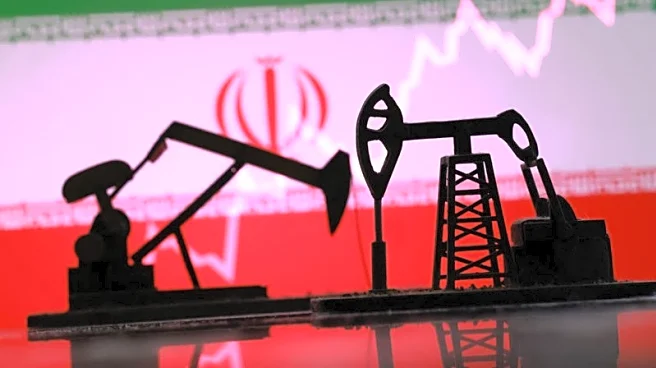
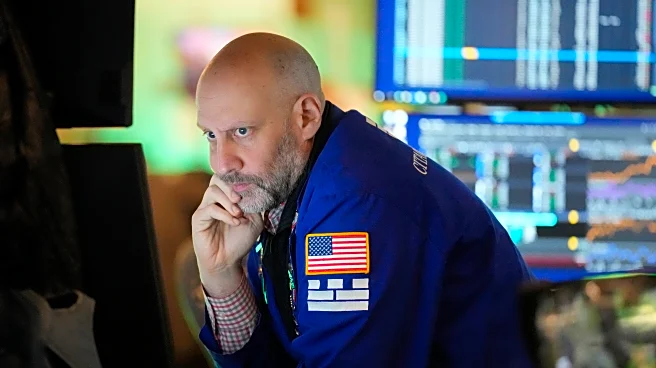
Nobel economist Paul Krugman has expressed concerns that the ongoing U.S.-Iran conflict could significantly impact the U.S. economy. The conflict has already caused volatility in financial markets, and Krugman warns that it could exacerbate existing economic
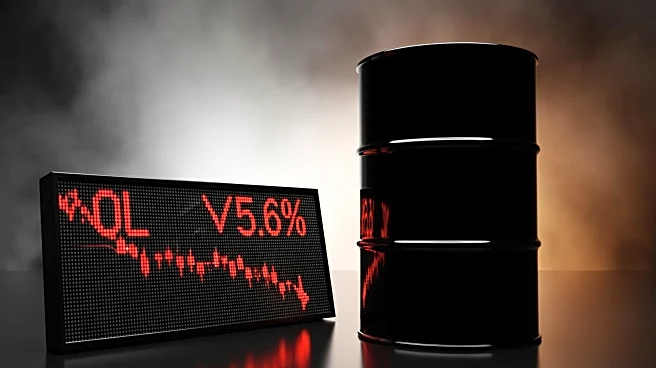
uncertainties. He highlights several stress points, including tariffs, restrictive immigration policies, and the potential for a burst in the AI bubble, which could lead to job losses. Krugman also points out the risks associated with 'shadow banking' reminiscent of the 2008 financial crisis. The conflict's impact on oil prices, particularly if the Strait of Hormuz remains closed, could further strain the economy.
Why It's Important?
Krugman's warning is significant as it underscores the potential for the Iran conflict to act as a catalyst for broader economic instability in the U.S. The combination of geopolitical tensions, rising oil prices, and existing economic vulnerabilities could lead to a recession. This situation poses risks for various stakeholders, including businesses, consumers, and policymakers. The uncertainty surrounding the conflict and its potential duration adds to the challenges faced by the U.S. economy, which is already grappling with issues such as tariffs and technological disruptions.
What's Next?
The future of the U.S. economy will largely depend on the resolution of the Iran conflict and the ability of policymakers to address the underlying economic stress points. The Trump administration's approach to the conflict and its impact on global oil markets will be critical factors to watch. Additionally, the response of financial markets and businesses to ongoing uncertainties will influence economic outcomes. Stakeholders will need to prepare for potential disruptions and consider strategies to mitigate risks associated with geopolitical tensions and economic volatility.