








What's Happening?
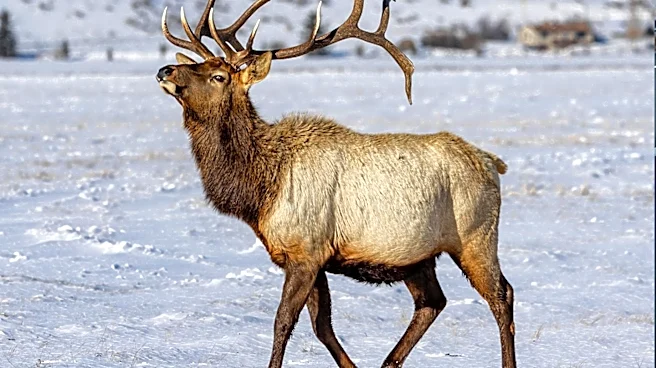
For over a decade, an unusual pattern of springtime elk deaths has been observed in northern Nevada, particularly in a herd north of Elko in the Independence and Tuscarora mountains. Researchers, including Ava Window from the University of Nevada, Reno,
are working with the Nevada Department of Wildlife to understand the cause of this phenomenon, informally named seasonal elk mortality syndrome. In some years, 10% to 30% of collared female elk in the affected population have died during a season when conditions should be favorable for them. Examinations of deceased elk have revealed damage and lesions in their hearts, along with excessive fluid around the heart and in the chest cavity. A consistent clue has been low copper levels in the corpses, though it remains unclear if this is due to insufficient intake from the environment or interference from other minerals affecting absorption. The team is analyzing plants, soils, and elk diets to investigate further.
Why It's Important?
The mysterious deaths of elk in Nevada are important because they signal a potential environmental or nutritional imbalance that could have broader implications for wildlife health across the Western U.S. Elk are a vital part of the ecosystem, and their unexplained mortality can indicate underlying issues that might affect other species or even the overall ecological balance. The consistent finding of mineral imbalances, particularly low copper levels, suggests a problem with the local environment or the elk's diet. Understanding whether these imbalances directly cause death or weaken the animals, making them more susceptible to other threats, is crucial for wildlife management and conservation efforts. This research could provide valuable insights into how mineral deficiencies impact large mammal populations and inform strategies to mitigate such issues, ensuring the health and sustainability of elk herds and the ecosystems they inhabit.
What's Next?
The ongoing research aims to identify the definitive cause of seasonal elk mortality syndrome. Scientists will continue to analyze plant, soil, and elk diet samples to determine the source of the mineral imbalances. They are also investigating whether these imbalances directly lead to the observed heart damage or if they weaken the elk's immune response, making them vulnerable to other pathogens or environmental stressors. The team cautions that it is too early to pinpoint a single 'smoking gun,' but the consistent mineral imbalance remains a key focus. The findings from this Nevada study could help scientists better understand how nutrition affects elk health across the entire Western U.S., potentially leading to new management strategies or interventions to protect these populations from similar threats in other regions. Continued monitoring and research are essential to unravel this complex ecological puzzle.
Beyond the Headlines
The mysterious elk deaths in Nevada highlight a deeper ecological concern about the subtle yet profound impacts of environmental changes on wildlife. While the immediate focus is on mineral imbalances, the underlying causes could be multifaceted, including changes in forage quality due to climate shifts, human land use, or even the introduction of new environmental contaminants. The phenomenon underscores the interconnectedness of ecosystems, where a seemingly minor change in soil composition or plant availability can have cascading effects on animal health and population dynamics. This situation serves as a reminder of the delicate balance within natural environments and the importance of long-term ecological monitoring. Understanding these complex interactions is not just about saving elk; it's about gaining critical knowledge that can inform broader conservation efforts and help predict and mitigate similar challenges for other wildlife populations facing environmental pressures.