





What's Happening?
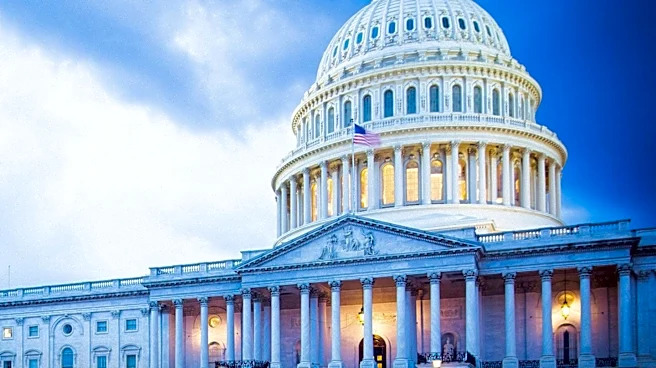
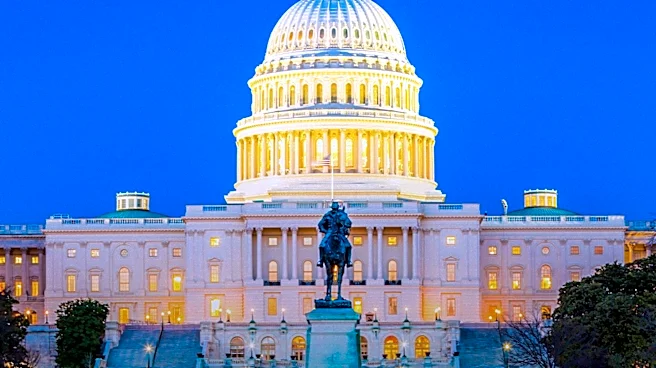
Congress is actively considering new legislation to shape the regulation and use of Artificial Intelligence (AI) in healthcare. On October 29, Senate HELP Committee Chairman Bill Cassidy released a discussion draft of the Protecting Americans Through
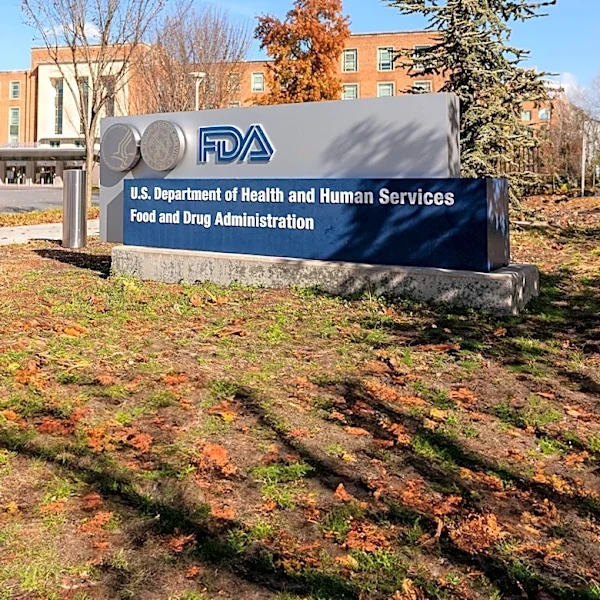
Intelligent, Ethical, and Transparent Artificial Intelligence in Health Care Act, or PATIENT AI Act. This proposed legislation aims to address critical issues within the industry, including oversight of AI-based health technologies by the U.S. Food and Drug Administration (FDA) and the Office of the National Coordinator for Health Information Technology (ONC). It also covers FDA review processes for software changes, guidance from the Department of Health and Human Services (HHS) on AI privacy and security, and the establishment of a payment pathway for qualifying AI technologies. Additionally, a separate bipartisan House proposal, the Doctors Not AI Act of 2026, focuses on AI use in health plan coverage decisions, seeking to prohibit AI systems from making adverse benefit determinations that require clinical judgment.
Why It's Important?
The proposed federal legislation signifies a growing recognition of AI's transformative, yet complex, role in healthcare. Without clear regulatory frameworks, the widespread adoption of AI in medical diagnostics, treatment planning, and administrative tasks could lead to inconsistencies in patient care, ethical dilemmas, and potential legal liabilities. The PATIENT AI Act aims to establish a foundational framework for responsible AI integration, ensuring patient safety, data privacy, and equitable access to AI-enabled care. The Doctors Not AI Act, by emphasizing human oversight in critical coverage decisions, seeks to prevent algorithmic biases from negatively impacting patient access to necessary medical services. These legislative efforts are crucial for fostering trust in AI technologies, promoting innovation, and ensuring that AI serves as a beneficial tool rather not a replacement for human clinical judgment in healthcare.
What's Next?
While both the PATIENT AI Act and the Doctors Not AI Act are currently in discussion draft stages, their introduction signals a clear intent from Congress to establish federal AI policy in healthcare. The prospects of these bills advancing will depend on congressional priorities and leadership in the upcoming legislative sessions. Stakeholders, including healthcare providers, technology developers, and patient advocacy groups, will likely engage in further discussions and lobbying efforts to influence the final shape of these regulations. If enacted, these laws could significantly impact how AI technologies are developed, deployed, and reimbursed within the U.S. healthcare system, potentially leading to new compliance requirements for companies and revised operational procedures for healthcare organizations. The Centers for Medicare & Medicaid Services (CMS) is also considering how Medicare payments should account for AI-enabled care, indicating a broader shift towards integrating AI into healthcare financing.
Beyond the Headlines
The legislative push for AI regulation in healthcare extends beyond immediate policy concerns, touching upon profound ethical and societal implications. The debate over AI's role in clinical decision-making raises questions about accountability when AI systems contribute to patient harm, as highlighted by the American Medical Association's (AMA) proposed liability framework. This framework suggests allocating responsibility among clinicians, AI developers, and healthcare organizations based on their authority and control over risks. Furthermore, the discussion around AI privacy and security underscores the critical need to protect sensitive patient data from breaches and misuse. The long-term impact of these regulations could shape public trust in AI, influence the future of medical education to include AI literacy, and potentially redefine the doctor-patient relationship in an increasingly technologically mediated healthcare landscape.