



What's Happening?
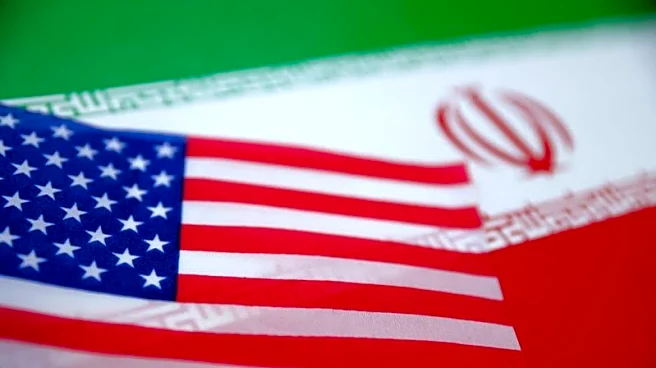
Iran's Deputy Foreign Minister Majid Takht-Ravanchi has stated that Iran is prepared to take necessary steps to reach a deal with the United States. As the two nations prepare for a new round of talks, Takht-Ravanchi emphasized Iran's willingness to compromise
on its nuclear program if the U.S. reciprocates by easing sanctions. The Iranian diplomat highlighted the importance of clear communication from the U.S. regarding its intentions in the negotiations. The discussions are part of ongoing efforts to address concerns over Iran's nuclear capabilities and the impact of U.S. sanctions on the Iranian economy.
Why It's Important?
The potential agreement between Iran and the U.S. is crucial for regional stability and international security. A successful deal could lead to the easing of tensions in the Middle East and improve diplomatic relations between the two countries. It would also have significant economic implications, potentially lifting sanctions that have heavily impacted Iran's economy. The negotiations are a critical test of diplomatic engagement and could set a precedent for future international agreements on nuclear non-proliferation. The outcome will be closely watched by global powers and could influence broader geopolitical dynamics.
What's Next?
The next steps involve continued negotiations between Iran and the U.S., with both sides needing to demonstrate flexibility and commitment to reaching a compromise. The U.S. will need to clarify its position on sanctions and nuclear restrictions, while Iran must show willingness to limit its nuclear activities. The international community, including the EU and other stakeholders, will likely play a role in facilitating dialogue and ensuring compliance with any agreement reached. The progress of these talks will be pivotal in determining the future of U.S.-Iran relations and the stability of the Middle East.