








What's Happening?
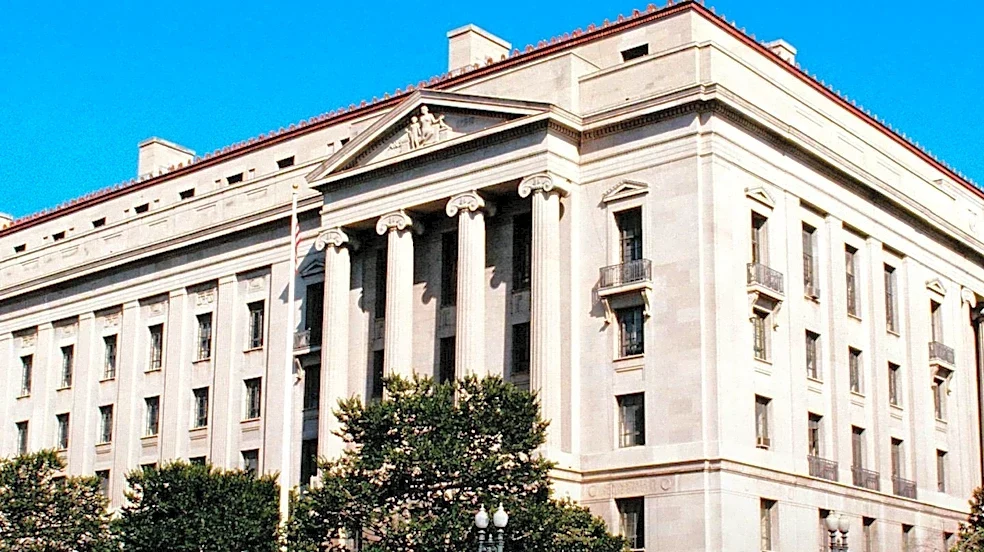
The U.S. Department of Justice (DOJ) is significantly escalating its efforts to combat trade fraud, particularly focusing on 'reverse false claims' where companies fail to pay money owed to the U.S. government. This intensified enforcement is driven by
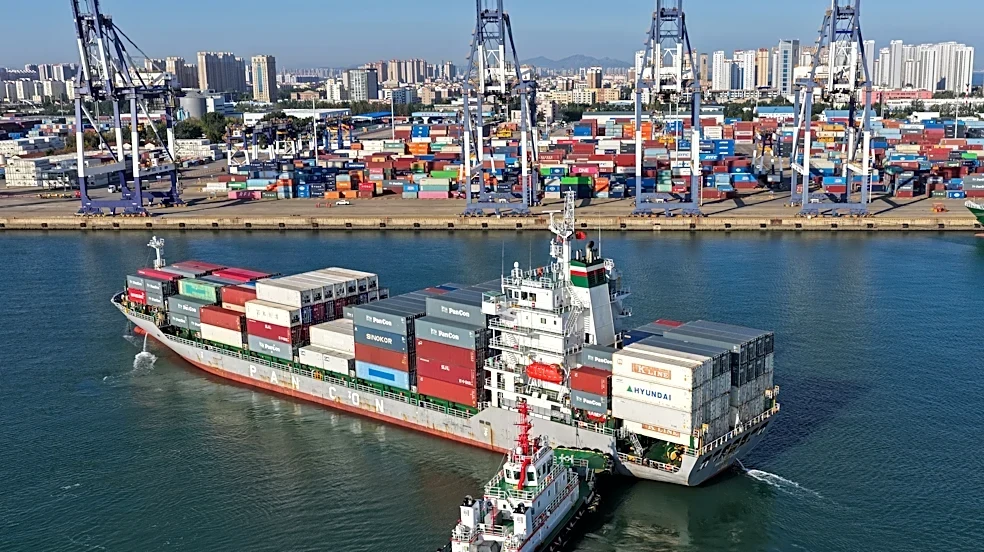
a dedicated DOJ group that utilizes data analytics to proactively identify potential cases, rather than waiting for referrals. The National Fraud Detection Center serves as a central hub for this analytical work. The DOJ's October 1 directive highlights this data-driven approach. Furthermore, the government has expanded its whistleblower program to include trade fraud, offering awards even to individuals involved in the misconduct they report. This initiative is part of a broader strategy that includes a joint Trade Fraud Task Force with the Department of Homeland Security (DHS) and the creation of a Global Trade & Commerce Enforcement Section within the National Fraud Enforcement Division. These measures aim to address issues like double invoicing, misclassification of goods, and origin fraud, which have become more prevalent due to higher tariffs.
Why It's Important?
This aggressive stance by the DOJ has significant implications for U.S. businesses, especially importers and those involved in multinational supply chains. The use of data analytics means that companies can no longer rely on traditional methods of avoiding detection; the government is actively seeking out discrepancies. The potential for 'treble damages and penalties' under the False Claims Act means that even seemingly minor underpayments of duties can escalate into substantial financial liabilities, potentially reaching nine-figure problems. The expanded whistleblower program creates an internal risk, as employees or former employees, even those who participated in fraudulent activities, are incentivized to report violations. This shift necessitates a proactive and robust compliance framework for companies, as the government is scrutinizing declared values, classifications, and origins of goods against internal company records. Failure to quickly and credibly address these discrepancies can lead to severe penalties and impact a company's eligibility for cooperation credit.
What's Next?
Companies operating in the U.S. and engaging in international trade should anticipate increased scrutiny and potential investigations. Legal experts recommend that organizations conduct fresh assessments of their supply chains, source countries, and high-dollar imports to identify and mitigate trade fraud risks. Implementing robust compliance programs that are regularly tested for effectiveness, rather than merely existing on paper, will be crucial. This includes transaction testing to compare customs values with actual payments and scrutinizing sourcing shifts after tariff changes. Companies should also prepare for the possibility of government inquiries by ensuring their data management systems are capable of quickly providing accurate records. The emphasis on data analytics by the DOJ suggests that a company's ability to reconcile its declared records with its internal data will be a key factor in determining penalties and cooperation terms during investigations. The ongoing focus on trade fraud as a corporate enforcement priority means that businesses must prioritize compliance and transparency to avoid significant legal and financial repercussions.
Beyond the Headlines
The DOJ's enhanced focus on trade fraud, particularly through data analytics and the 'reverse false claim' theory, signals a broader shift in government enforcement strategies. This approach leverages technology to identify and prosecute financial misconduct, moving beyond traditional reactive investigations. The inclusion of whistleblowers, even those involved in the fraud, raises ethical considerations regarding incentivizing complicity versus promoting transparency. This strategy could lead to a more transparent and accountable trade environment, but it also places a significant burden on businesses to maintain impeccable records and robust internal controls. The long-term implications could include a re-evaluation of supply chain practices, increased investment in compliance technology, and a heightened awareness among corporate executives about the legal ramifications of customs declarations. This development underscores the growing importance of integrating legal, forensic accounting, and eDiscovery expertise from the outset of any potential trade fraud matter, as the government's 'machine' for detection becomes increasingly sophisticated.