



What's Happening?
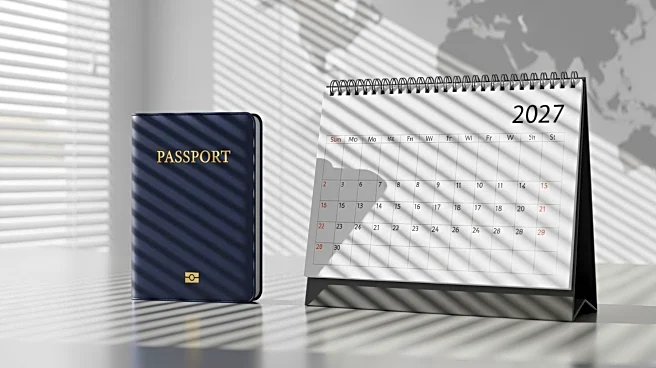
US consulates in India have postponed H-1B visa interview appointments until April-May 2027, affecting Indian IT specialists, doctors, academics, and other professionals. This delay has resulted from policy changes in Washington, including mandatory social-media
screening for all employment-based visas and the abolition of 'third-country' stamping for Indians. These changes have funneled all visa processing back to the five Indian consulates, exacerbating the backlog. As a result, many H-1B workers are unable to return to the US, causing disruptions for companies relying on these professionals. Some businesses have resorted to remote work solutions or relocated projects to countries like Canada or Mexico.
Why It's Important?
The delay in H-1B visa processing is significant as it affects the US's ability to attract and retain STEM talent, a stated goal of the Biden administration. The backlog could lead to a talent drain, as professionals may seek opportunities in countries with more efficient visa processes, such as Germany. This situation poses challenges for US companies, particularly in the tech sector, as project timelines are disrupted and critical work is delayed. The inability to bring back key personnel could impact the competitiveness of US businesses on a global scale.
What's Next?
For those affected, options are limited. While expedited appointments are available for medical emergencies, staffing shortages mean these requests can take weeks. Congressional staffers from tech-heavy districts are advocating for temporary solutions, such as drop-box or interview-waiver programs, but no official relief has been announced. Indian H-1B holders are advised to plan for extended delays and consider alternative assignments in countries with faster processing times.