



What's Happening?
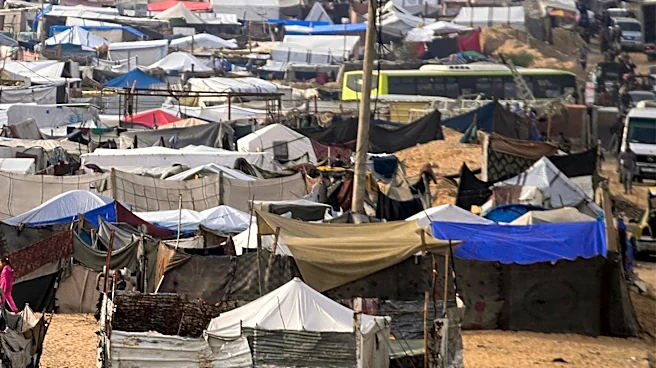
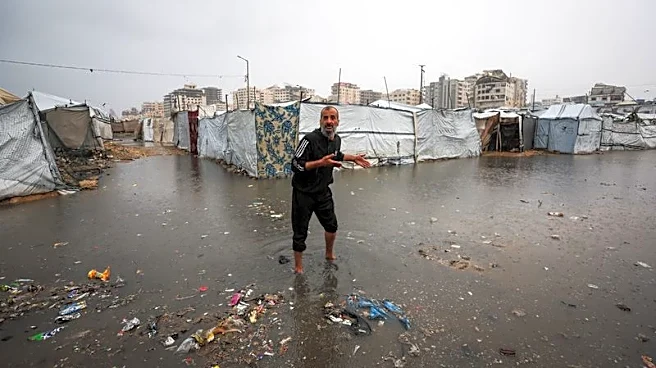
Heavy rains have caused widespread flooding in Gaza, impacting tens of thousands of tents housing displaced residents. A United Nations official stated that nearly everyone in the territory requires assistance due to the dire conditions. Residents are
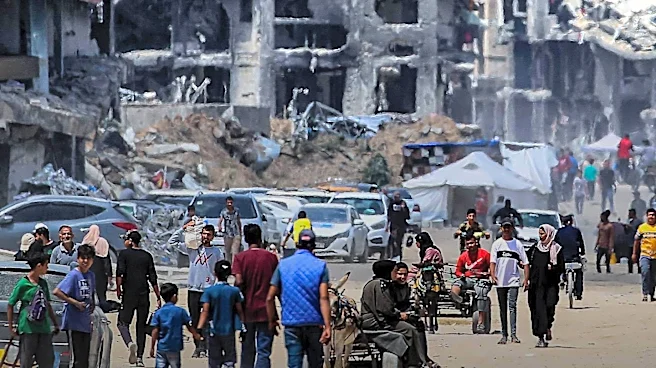
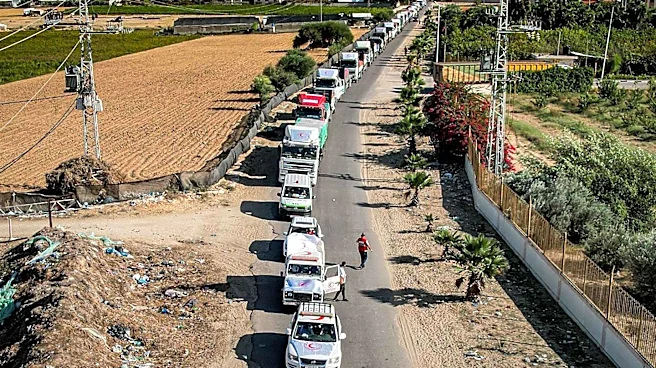
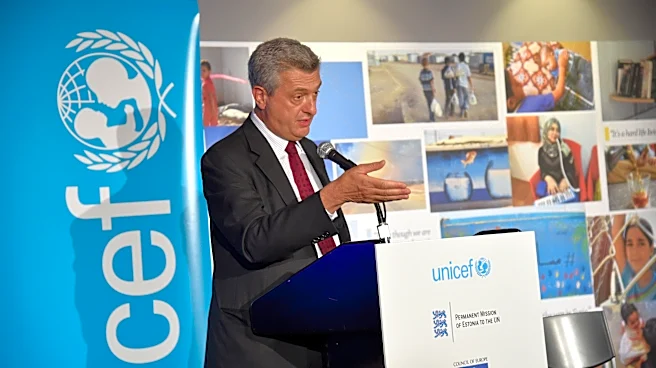
attempting to clear water from their flooded shelters using basic household items, with many left without adequate protection. Jonathan Veitch, the Unicef representative for Palestine, described the situation as "desperate" and noted that Israeli restrictions on the entry of heavy machinery and essential supplies like engine oil are exacerbating the crisis. Approximately 90% of Gaza's population has been displaced by the ongoing conflict, often multiple times, leading to limited access to clean water and sanitation. The Hamas-run government in Gaza reported that around 70,000 tents have been flooded, resulting in injuries from collapsing walls and roofs. Aid agencies anticipate further deterioration as the rainy season progresses, with concerns about potential deaths from hypothermia, similar to the previous year.
Why It's Important?
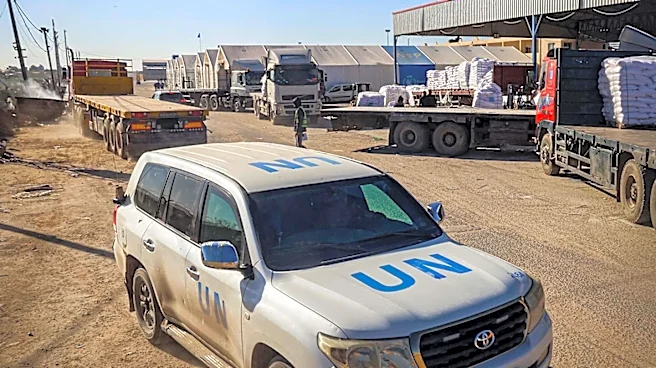
The flooding in Gaza significantly deepens an already severe humanitarian crisis, posing immediate threats to the health and safety of hundreds of thousands of displaced individuals. The destruction of temporary shelters leaves vulnerable populations exposed to harsh weather conditions, increasing the risk of disease outbreaks due to poor sanitation and lack of clean water. The Israeli restrictions on aid entry, particularly heavy machinery and engine oil, impede effective disaster response and recovery efforts, highlighting ongoing challenges in humanitarian access. This situation places immense pressure on international aid organizations, which are already facing budget cuts, forcing them to make difficult decisions about resource allocation. The continued suffering of civilians in Gaza, exacerbated by natural disasters and ongoing conflict, underscores the urgent need for sustained humanitarian assistance and a resolution to the underlying conflict to prevent further loss of life and widespread suffering.
What's Next?
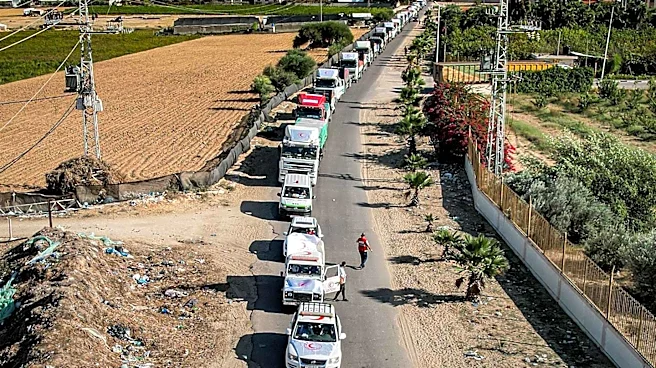
As the rainy season continues, the humanitarian situation in Gaza is expected to worsen, with further flooding and increased health risks. Aid agencies will likely intensify their calls for greater access to the territory for essential supplies and equipment to address the immediate needs of the displaced population. International bodies may increase pressure on relevant parties to ease restrictions on aid entry and facilitate more robust humanitarian operations. There will be an urgent need for more durable shelter solutions, improved sanitation facilities, and increased medical support to prevent widespread illness and fatalities. The ongoing conflict and stalled peace plans will continue to complicate relief efforts, making long-term recovery and stability difficult to achieve. The international community will need to monitor the situation closely and potentially increase funding and resources to prevent a catastrophic humanitarian disaster.
Beyond the Headlines
The crisis in Gaza extends beyond immediate humanitarian concerns, touching upon broader issues of international law, human rights, and the responsibilities of occupying powers. The restrictions on aid and essential supplies raise questions about adherence to international humanitarian law, which mandates the protection of civilians and facilitation of humanitarian assistance in conflict zones. The repeated displacement and lack of safe shelter for a vast majority of the population highlight systemic failures in protecting civilian lives and ensuring basic human dignity. This situation could also fuel regional instability and resentment, further complicating efforts towards a lasting peace. The long-term psychological impact on a population subjected to continuous conflict, displacement, and now natural disaster will be profound, requiring extensive and sustained support for mental health and community rebuilding efforts long after the immediate crisis subsides.