What's Happening?
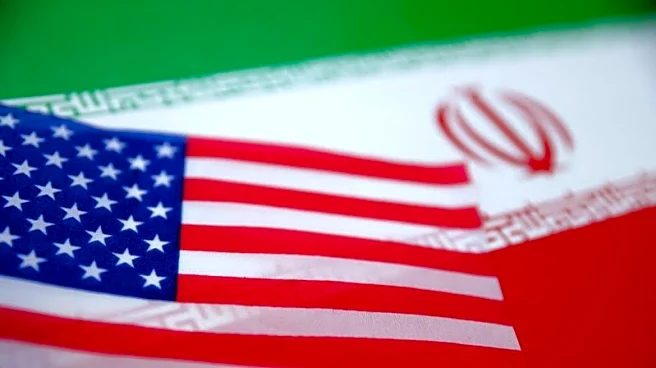
The United States has announced new sanctions targeting Iranian officials accused of suppressing nationwide protests. These protests began in response to Iran's economic struggles and currency collapse.
The U.S. Treasury's Office of Foreign Assets Control (OFAC) has specifically targeted individuals involved in the violent crackdown on demonstrators, including the secretary of the Supreme Council for National Security. The sanctions also extend to shadow banking networks that facilitate the laundering of revenue from Iran's natural resources. The U.N. Security Council has scheduled an emergency meeting on Iran at the request of the United States. President Trump has indicated a potential de-escalation, noting that the killing of protesters appears to be subsiding.
Why It's Important?
The imposition of new sanctions by the U.S. underscores the international community's concern over Iran's handling of the protests. These sanctions aim to pressure the Iranian government to halt its violent crackdown and address the grievances of its citizens. The situation has drawn global attention, with protests against Iran occurring worldwide. The U.S. sanctions could further isolate Iran economically and diplomatically, potentially impacting its already struggling economy. The actions taken by the U.S. may also influence other countries to consider similar measures, increasing pressure on Iran to change its approach.
What's Next?
The U.N. Security Council's emergency meeting may lead to further international actions or resolutions against Iran. The U.S. and its allies could consider additional sanctions if the crackdown continues. Iran's response to these developments will be crucial, as it may choose to engage in diplomatic negotiations or escalate tensions further. The international community will be closely monitoring the situation, and any changes in Iran's domestic policies or international relations could have significant implications for regional stability.
Beyond the Headlines
The crackdown on protests in Iran highlights broader issues of human rights and governance within the country. The international response, including sanctions and diplomatic pressure, reflects a growing intolerance for state-sponsored violence against civilians. This situation may prompt discussions on the effectiveness of sanctions as a tool for promoting human rights and democracy. Additionally, the protests and subsequent crackdown could influence future political movements within Iran, potentially leading to long-term changes in its political landscape.