







What's Happening?
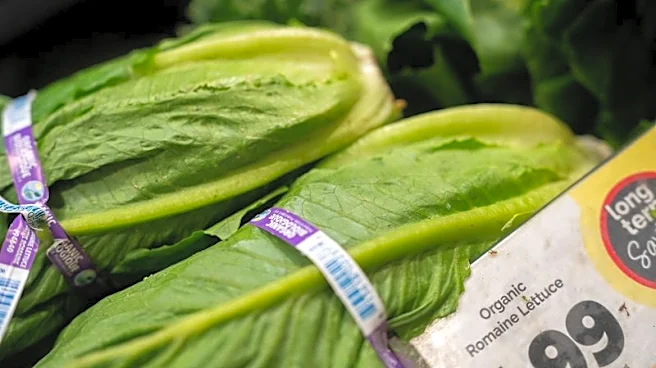
A significant outbreak of cyclosporiasis has highlighted vulnerabilities in the US food safety system. The Centers for Disease Control and Prevention (CDC) has reported over 11,000 cases, with more than 300 hospitalizations. The outbreak, linked to contaminated
iceberg lettuce from Taylor Farms de Mexico, has affected multiple states, with Michigan being the hardest hit. The outbreak has exposed discrepancies in how state and federal authorities track and report foodborne illnesses. Experts attribute the outbreak's scale to cuts in public health funding and the complexity of coordinating responses across different jurisdictions.
Why It's Important?
The cyclosporiasis outbreak underscores the critical need for robust food safety systems and effective public health infrastructure. The large number of cases highlights the challenges of detecting and controlling foodborne illnesses, particularly when resources are limited. The outbreak has raised concerns about the impact of recent cuts to public health funding, which have hampered the ability of state and federal agencies to respond effectively. The situation also emphasizes the importance of timely and accurate communication between state and federal authorities to prevent and manage outbreaks. The public's trust in the food supply and health systems could be affected if such vulnerabilities are not addressed.
What's Next?
In response to the outbreak, the Food and Drug Administration (FDA) is conducting investigations to identify additional sources of contamination and prevent further spread. Taylor Farms has initiated a voluntary recall of the affected lettuce, and the FDA is working with restaurants and retailers to ensure compliance. The outbreak may prompt calls for increased funding and resources for public health agencies to strengthen food safety measures. Policymakers and health officials may also explore ways to improve coordination and communication between state and federal agencies to enhance outbreak response capabilities.