
What's Happening?
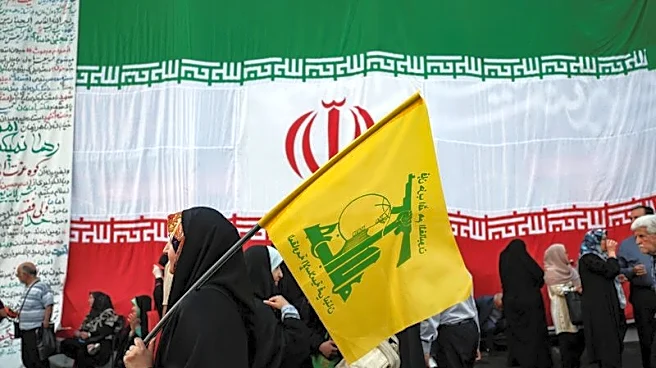
Senior Israeli defense officials have expressed concerns that Iran is leveraging perceived U.S. reluctance to engage militarily as a strategic advantage in ongoing nuclear negotiations. According to these
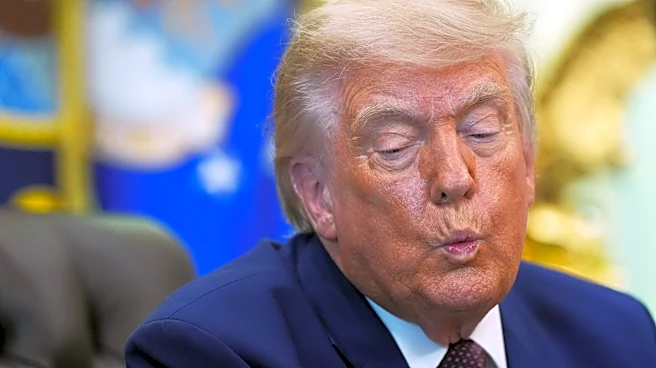
officials, President Trump is focused on preventing renewed conflict and reaching a new agreement with Tehran, particularly concerning Iran's nuclear program and the strategic Strait of Hormuz. The Israeli defense establishment is closely monitoring Iran's enriched uranium stockpile and internal political dynamics, which include tensions between factions favoring a ceasefire and those advocating for aggressive postures against Israel and other nations. The officials believe that Iran perceives the U.S. as hesitant to initiate military action, especially with significant events like the 2026 World Cup and the 250th anniversary of American independence on the horizon.
Why It's Important?
The situation underscores the complex geopolitical dynamics in the Middle East, where U.S. foreign policy decisions have significant regional implications. Israel's concerns highlight the potential risks of Iran advancing its nuclear capabilities under the guise of diplomatic negotiations. The perception of U.S. restraint could embolden Iran to strengthen its negotiating position, potentially destabilizing the region further. This development is crucial for U.S. allies in the Middle East, who rely on American support to counterbalance Iranian influence. The outcome of these negotiations could impact global oil markets, given the strategic importance of the Strait of Hormuz, through which a significant portion of the world's oil supply is transported.
What's Next?
Israel is likely to continue its intelligence operations and maintain military readiness to counter any potential threats from Iran. The Israeli Air Force remains on high alert for possible long-range operations. Meanwhile, President Trump is expected to persist in diplomatic efforts to secure a comprehensive agreement with Iran, balancing the need to prevent nuclear proliferation with the desire to avoid military conflict. The international community will be watching closely, as the outcome of these negotiations could set a precedent for future U.S. foreign policy in the region.