







What's Happening?
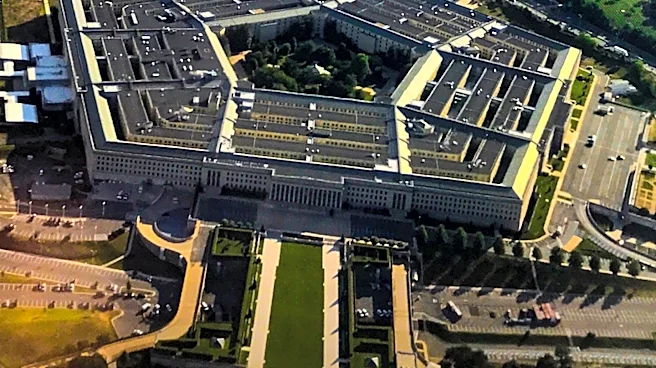
The United States Space Force (USSF) Headquarters Space Force Command (HQSF) is actively recruiting for a Logistics and Sustainment Division Chief, S4O, at The Pentagon in Arlington, Virginia. This position, equivalent to a GS 14/15, is a direct-hire
opportunity. The selected individual will serve as the principal logistics advisor to HQSF/S4, leading a team of logistics professionals to oversee the Space Force's global logistics and sustainment enterprise. The role demands a strategic-to-tactical leader capable of setting high-level direction and executing at the point of need. The USSF is looking for a 'changemaker' who can drive transformation within the logistics and sustainment enterprise, modernizing how the service equips and sustains its forces for future missions. The ideal candidate will possess a blend of technical depth and strategic breadth, with experience in weapon system sustainment reviews, infrastructure investment decisions, and developing data-driven decision tools. Familiarity with emerging concepts like on-orbit logistics and a demonstrated ability to mitigate supply chain vulnerabilities are also highly valued.
Why It's Important?
This recruitment highlights the U.S. Space Force's commitment to strengthening its logistical and sustainment capabilities, which are critical for maintaining its operational readiness and effectiveness in an increasingly complex space domain. The emphasis on a 'changemaker' and modernization indicates a proactive approach to adapting to evolving threats and technological advancements in space. Effective logistics and sustainment are foundational to any military operation, and in the context of space, they ensure the continuous functioning of vital satellite systems and other space assets. As Retired Major Adrienne M. Smith, who served in satellite operations at Space Command, noted, maintaining satellite systems is crucial for military operations, as any failure could have devastating consequences for those relying on these links. This strategic hire will directly impact the Space Force's ability to support its missions, protect national interests in space, and ensure the resilience of its space-based infrastructure against potential disruptions or attacks. The role's focus on identifying and mitigating supply chain vulnerabilities also underscores the growing recognition of supply chain security as a national security imperative.
What's Next?
The application period for the Logistics and Sustainment Division Chief position is limited, closing within five business days or after 75 applications, whichever comes first. Following the application phase, qualified candidates will undergo an evaluation process based on their knowledge, skills, and abilities, potentially including interviews. The successful candidate will be tasked with immediately driving transformation within the Space Force's logistics and sustainment enterprise. This will involve modernizing existing processes, implementing data-driven decision-making tools, and addressing supply chain vulnerabilities. The individual will also be expected to develop and integrate detailed sustainment concepts into strategic and operational-level plans. Their leadership will be crucial in shaping the future of space logistics, ensuring the Space Force remains agile and responsive to the dynamic challenges of the space environment. The ongoing efforts to enhance space logistics will likely involve collaboration with various stakeholders, including other military branches, government agencies, and private sector partners, to foster a comprehensive and resilient space support infrastructure.
Beyond the Headlines
The creation and emphasis on this high-level logistics role within the U.S. Space Force reflect a broader strategic shift towards recognizing space as a critical and contested domain. The need for a dedicated leader to oversee global logistics and sustainment for space assets underscores the increasing militarization of space and the imperative for robust support systems. This move signifies a departure from traditional terrestrial logistics models, demanding innovative approaches to sustain operations in an environment characterized by extreme conditions, vast distances, and unique technological requirements, such as on-orbit servicing and manufacturing. The focus on supply chain risk management and vulnerability assessments highlights the growing concern over potential disruptions from adversaries or unforeseen events, which could cripple vital national security capabilities. Ethically, this development raises questions about the responsible use of space and the potential for an arms race, as nations strive to secure their space assets and project power. Culturally, it signifies a deepening integration of space into military doctrine and public consciousness, moving beyond science fiction to a tangible operational reality with profound implications for global security and technological advancement.