



What's Happening?
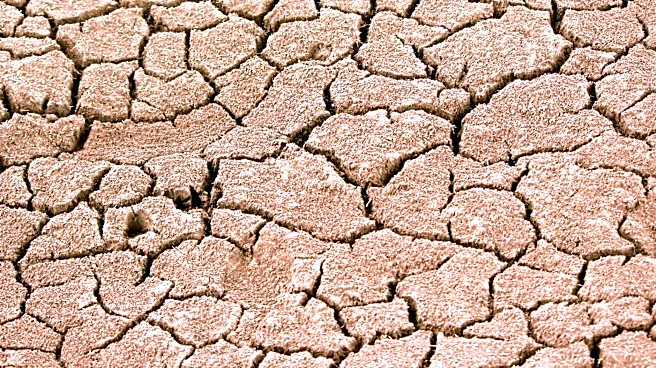
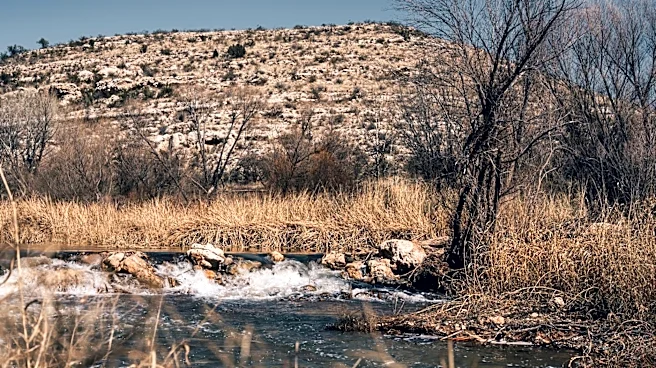
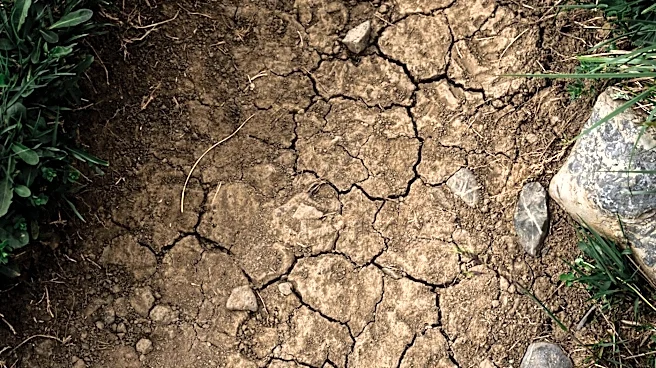
Castle Rock, Colorado, has escalated its water conservation efforts by moving to Stage 2 Drought Restrictions due to worsening drought conditions. The decision, announced by Castle Rock Water, aims to achieve a 25% reduction in water usage. Key measures
include limiting outdoor and hand watering to two days per week, reducing Tier 2 water budgets by 50%, and prohibiting power-washing of driveways and non-recycled water fountains. The restrictions also discourage new landscaping and suggest covering pools and reducing water usage in car washes. The move comes after a significant increase in water usage during June, despite existing restrictions. Residents and businesses, like the Pegasus Restaurant, have expressed support for the measures, acknowledging the severe drought conditions.
Why It's Important?
The implementation of Stage 2 Drought Restrictions in Castle Rock highlights the growing water scarcity issues in the region, which could have significant implications for local residents and businesses. By enforcing stricter water usage policies, the town aims to preserve its water resources amid increasing demand and climate challenges. This move reflects a broader trend of water conservation efforts across the U.S., as communities grapple with the impacts of climate change and dwindling water supplies. The restrictions could lead to changes in landscaping practices, business operations, and daily water usage habits, potentially setting a precedent for other municipalities facing similar challenges.
What's Next?
As Castle Rock enforces these new restrictions, the town will likely monitor water usage closely to assess the effectiveness of the measures. Residents and businesses may need to adapt further if conditions do not improve, potentially leading to even stricter regulations. The situation could prompt discussions on long-term water management strategies, including investments in infrastructure and alternative water sources. Additionally, the town's experience may serve as a case study for other communities in the region, influencing future water conservation policies and practices.