



What's Happening?
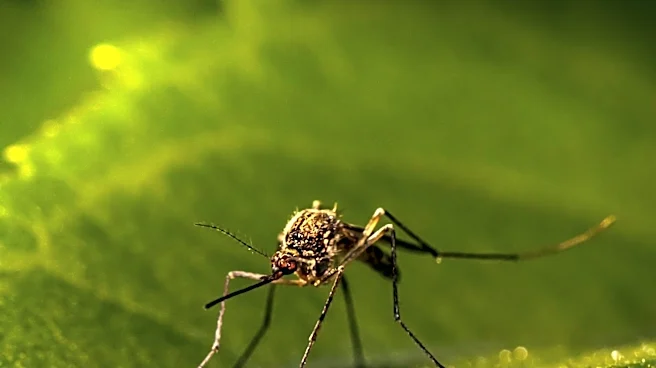
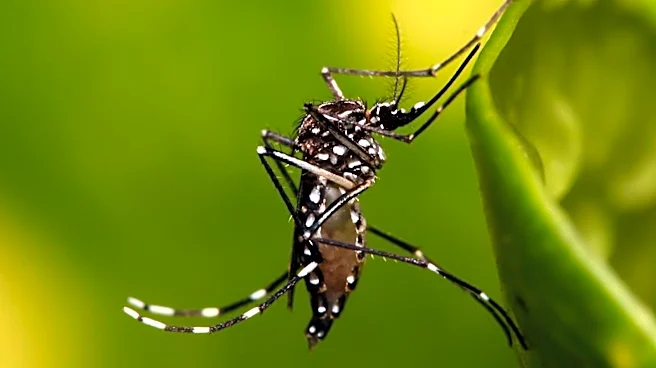
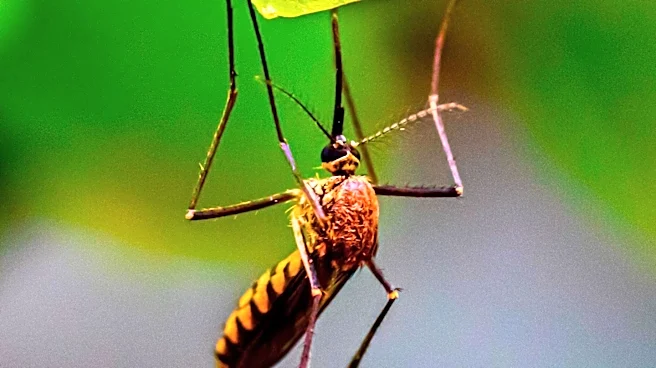
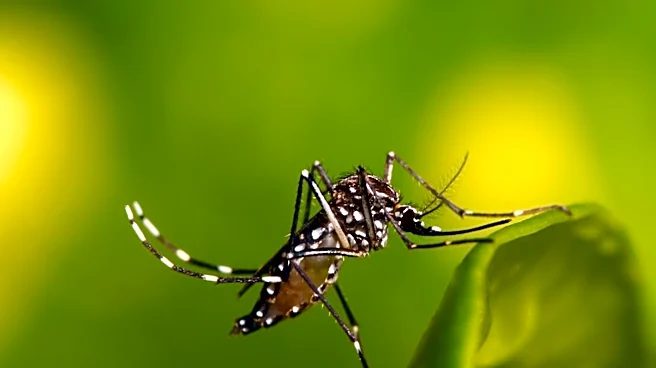
Mosquitoes infected with the West Nile virus have been found in the Tamar Regional Council area in southern Israel. The Health Ministry and Environmental Protection Ministry have instructed local authorities to enhance prevention, monitoring, and mosquito
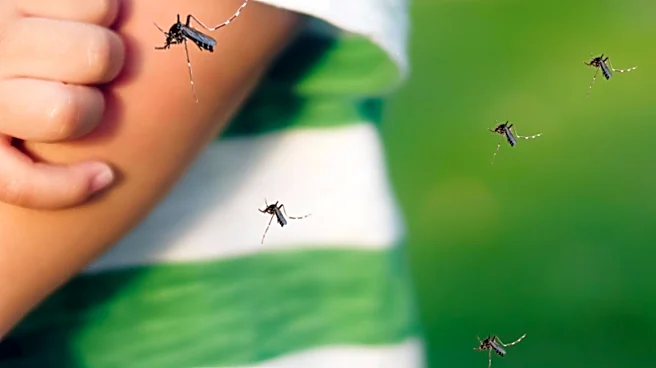
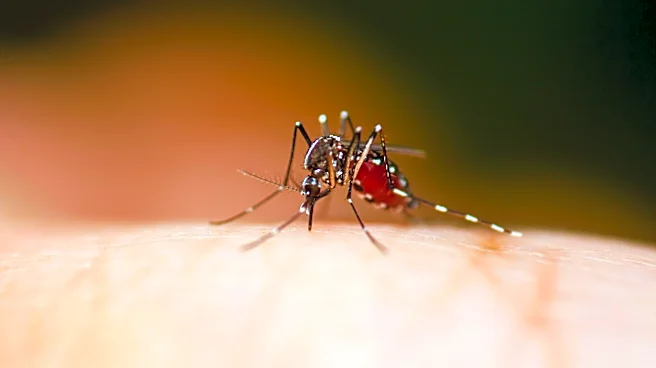
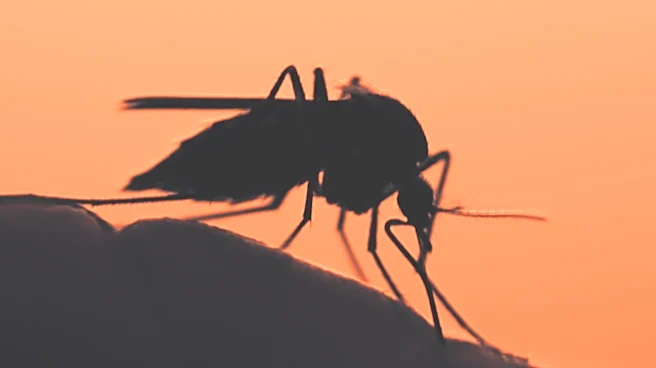
control efforts. Six cases of West Nile fever have been diagnosed in Israel this year, with the risk of outbreaks higher between June and November. The virus is transmitted to humans through mosquito bites, with birds serving as the natural reservoir. Most cases are mild, but serious complications can occur in vulnerable populations. There is no specific antiviral treatment or approved vaccine for West Nile fever.
Why It's Important?
The detection of West Nile virus in mosquitoes highlights the ongoing public health challenge posed by vector-borne diseases. The virus can lead to serious health complications, particularly in older adults and those with weakened immune systems. The situation underscores the importance of effective mosquito control measures and public awareness to prevent outbreaks. The ministries' recommendations for reducing mosquito breeding and protecting against bites are crucial for minimizing the risk of transmission. This development also emphasizes the need for continuous monitoring and rapid response to emerging health threats.
What's Next?
Local authorities are expected to intensify mosquito control efforts and public awareness campaigns. The public is encouraged to eliminate standing water and report mosquito hazards to local authorities. The Health Ministry and Environmental Protection Ministry will continue to monitor the situation and provide guidance on preventive measures. The ongoing efforts aim to reduce the risk of West Nile virus transmission and protect public health. The ministries' collaboration with local authorities and the public is essential for effectively managing the threat posed by the virus.