







What's Happening?
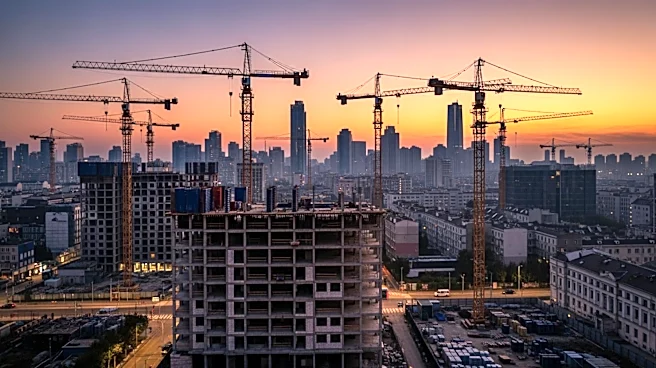
Los Angeles is experiencing a significant slowdown in apartment construction, with a recent USC study revealing that the county built fewer than 110,000 units between 2021 and 2025. This rate is the slowest in decades and places L.A. behind other major
cities in addressing housing needs. The study highlights that it takes an average of three years to complete multi-family units in L.A., triple the national average. Factors contributing to this shortage include regulatory challenges, grassroots opposition to development, and financial hurdles. The city's historical preference for low-density residential communities further complicates efforts to increase housing density.
Why It's Important?
The housing crisis in Los Angeles has far-reaching implications for the city's economy and social fabric. The lack of affordable housing exacerbates inequality and limits opportunities for residents. As housing costs rise, more people are priced out of the market, leading to increased homelessness and economic displacement. The slow pace of construction also hinders the city's ability to attract and retain a diverse workforce, impacting its competitiveness. Addressing these challenges requires comprehensive policy reforms and collaboration between government, developers, and community stakeholders.
What's Next?
To tackle the housing crisis, Los Angeles must explore innovative solutions and policy changes. This includes streamlining regulatory processes, incentivizing developers to build affordable housing, and fostering community support for higher-density projects. The city may also need to reconsider zoning laws and invest in infrastructure to support new developments. As the debate over housing continues, stakeholders will need to balance the preservation of community character with the urgent need for more housing options.