




What's Happening?
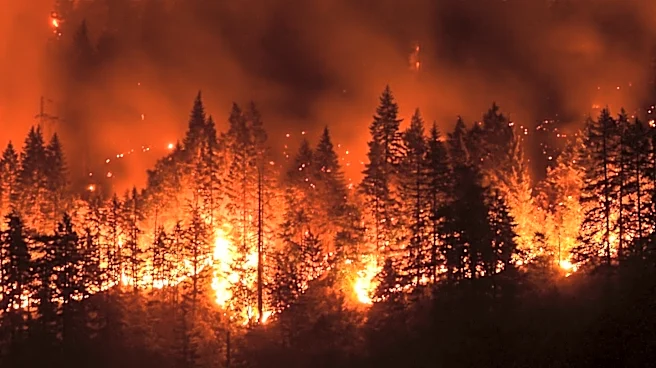
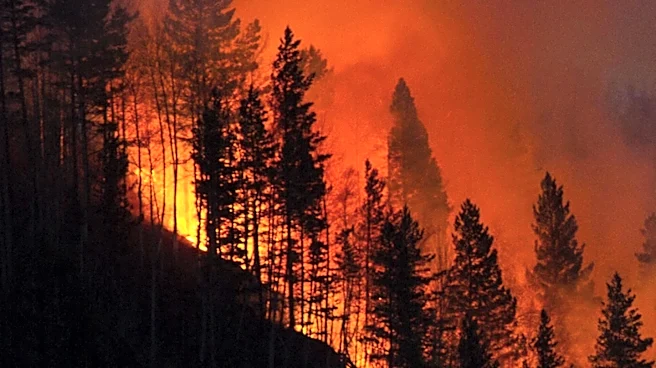
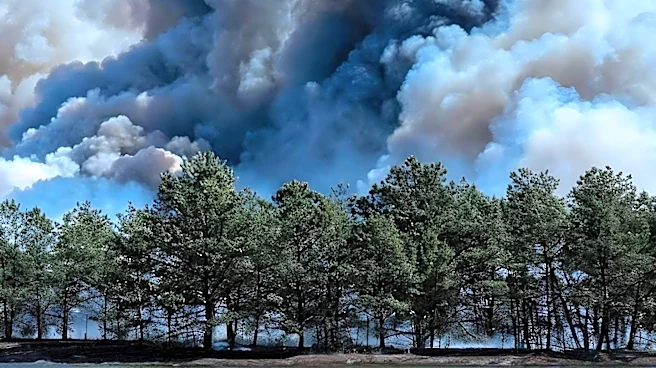
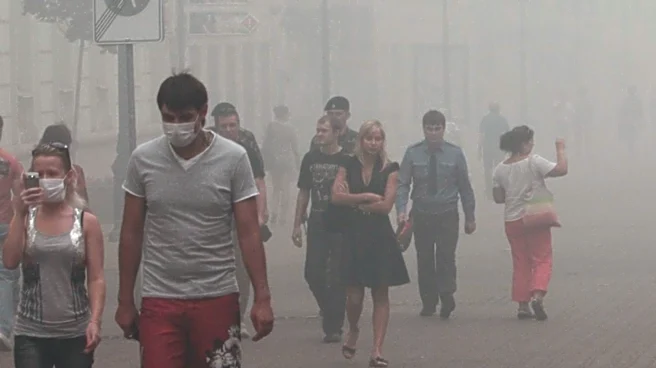
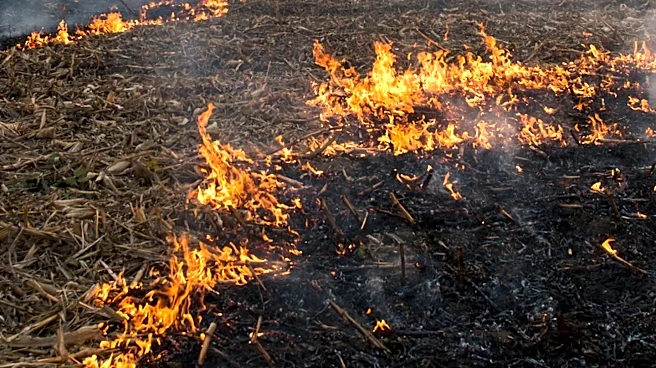
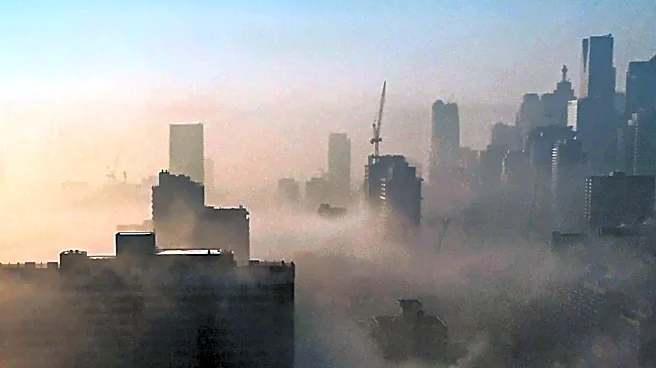
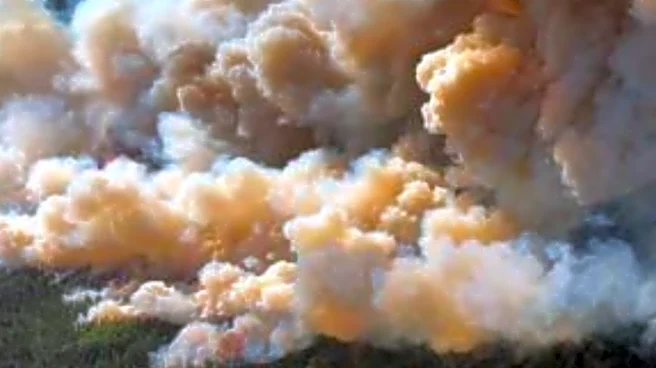
In Michigan's Upper Peninsula, recent rains mixed with wildfire smoke are affecting local agriculture and forests. According to James DeDecker, Director of the MSU Upper Peninsula Research and Extension Center, the smoke and ash from wildfires can alter
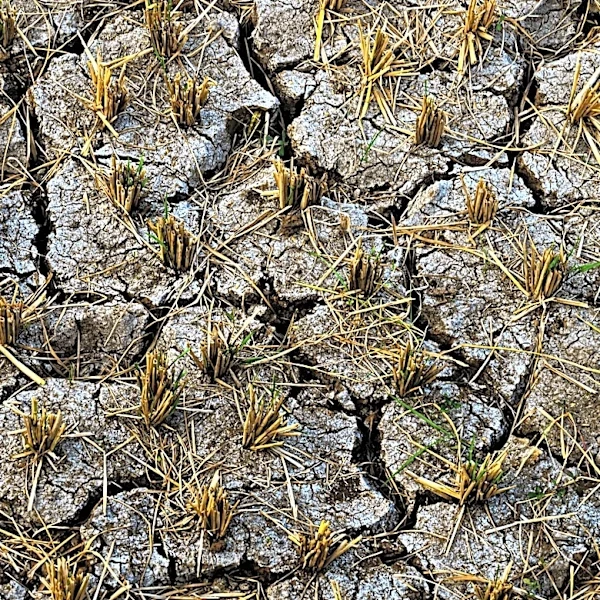
soil composition and affect plant growth and taste. The U.S. Environmental Protection Agency notes that wildfire smoke contains various pollutants, which can mix with rain and impact the environment. While some benefits may occur in acidic soils due to the alkaline nature of ash, the overall impact is more detrimental, particularly to farmers' health.
Why It's Important?
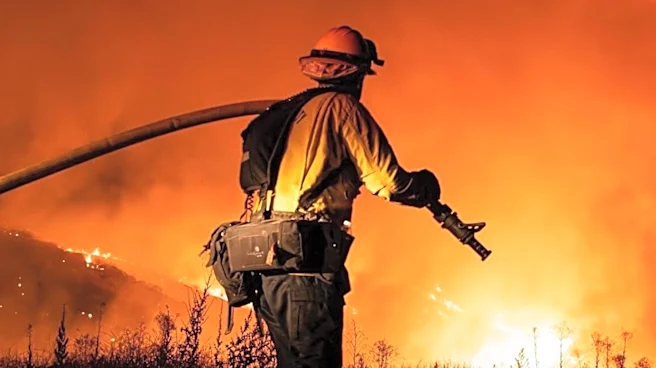
The situation highlights the broader environmental and health challenges posed by wildfires, which are becoming more frequent and intense due to climate change. The smoke can harm crops and affect food quality, posing economic risks to farmers and the agricultural sector. Additionally, the health risks to farmers and residents from prolonged exposure to smoke are significant, potentially leading to respiratory issues and other health problems. This underscores the need for effective wildfire management and support for affected communities.
What's Next?
The duration and intensity of the wildfire smoke will determine the long-term impact on agriculture in the region. Farmers may need to adapt their practices to mitigate the effects of smoke and ash on crops. There may be increased calls for government support and intervention to assist affected farmers and communities. Monitoring and research will continue to assess the environmental and health impacts, guiding future responses to similar events.